
Lobel's Culinary Club - Recipes, menu ideas, cooking techniques, meat selection tips, and more from America's #1 family of butchers.

Navigation

  • Categories
  • Archives
  • 175th anniversary
  • about lobel's
  • ask the butcher
  • autumn
  • bacon
  • barbecue
  • beef
  • braising
  • christmas
  • cinco de mayo
  • cooking tools
  • culinary classics
  • culinary diy
  • cut of the month
  • easter
  • entertaining
  • food history
  • food pairings
  • grilling
  • guide to meat
  • ham
  • hanukkah
  • holidays
  • lamb
  • lobel's prime meats in manhattan
  • new products
  • new year
  • passover
  • pork
  • poultry
  • recipes & techniques
  • recipes & techniques
  • roasting
  • sausage
  • seafood
  • seasons
  • smoking
  • social media
  • spring
  • stewing
  • summer
  • super sunday
  • thanksgiving
  • t-roy cooks
  • turkey
  • valentine's day
  • veal
  • videos
  • winter
  • yankee stadium
  • November 2021
  • April 2020
  • March 2020
  • February 2020
  • January 2020
  • December 2019
  • November 2019
  • October 2019
  • September 2019
  • April 2019
  • March 2019
  • September 2018
  • August 2018
  • July 2018
  • June 2018
  • May 2018
  • April 2018
  • March 2018
  • February 2018
  • January 2018
  • December 2017
  • November 2017
  • October 2017
  • September 2017
  • August 2017
  • July 2017
  • June 2017
  • May 2017
  • April 2017
  • March 2017
  • February 2017
  • January 2017
  • December 2016
  • November 2016
  • September 2016
  • August 2016
  • July 2016
  • June 2016
  • May 2016
  • April 2016
  • March 2016
  • February 2016
  • January 2016
  • November 2015
  • October 2015
  • September 2015
  • July 2015
  • June 2015
  • May 2015
  • April 2015
  • March 2015
  • February 2015
  • January 2015
  • December 2014
  • November 2014
  • October 2014
  • September 2014
  • August 2014
  • July 2014
  • June 2014
  • May 2014
  • April 2014
  • March 2014
  • February 2014
  • January 2014
  • December 2013
  • November 2013
  • October 2013
  • September 2013
  • August 2013
  • July 2013
  • June 2013
  • May 2013
  • April 2013
  • March 2013
  • February 2013
  • January 2013
  • November 2012
  • October 2012
  • September 2012
  • August 2012
  • July 2012
  • June 2012
  • May 2012
  • April 2012
  • March 2012
  • February 2012
  • January 2012
  • December 2011
  • November 2011
  • October 2011
  • September 2011
  • August 2011
  • July 2011
  • June 2011
  • May 2011
  • April 2011

Links

  • Lobels.com
  • Lobel’s Facebook
  • Lobel’s Pinterest
  • Lobel’s YouTube
  • Home
  • Welcome
  • Articles
  • Contact Us

Welcome

Welcome to the new Lobel’s Culinary Club.

In the years since we launched our Web site and online butcher shop, the Lobel’s Culinary Club has become the cornerstone of our communications with our customers old and new. Our e-mails span the latest news about products and promotions to help you plan peak dining experiences for family meals, special events, and casual entertaining.

A fundamental part of the Culinary Club content comes from our unique perspective as butchers on meat handling and preparation. And while there are many recipes to share, we want to help you go beyond specific recipes to a wider world of in-depth explorations of cooking techniques. When you understand the fundamentals, you are free to invent your own culinary masterpieces.

We believe the more you know about preparing the finest meat money can buy, the more you will enjoy serving it to your family and friends.

With the launch of our expanded Culinary Club, we’ve created a living archive of knowledge that is gleaned from past e-mails and will grow with future e-mails.

Within the Culinary Club, we hope you’ll find numerous and useful resources to enhance your confidence in preparing the finest and freshest meats available, and ensure your absolute delight with the results.

For your dining pleasure,

lobels Signature

Stanley, David, Mark, and Evan Lobel

Lobel Family at the Carving Station

Articles by Month:

  • November 2021
  • April 2020
  • March 2020
  • February 2020
  • January 2020
  • December 2019
  • November 2019
  • October 2019
  • September 2019
  • April 2019
  • March 2019
  • September 2018
  • August 2018
  • July 2018
  • June 2018
  • May 2018
  • April 2018
  • March 2018
  • February 2018
  • January 2018
  • December 2017
  • November 2017
  • October 2017
  • September 2017
  • August 2017
  • July 2017
  • June 2017
  • May 2017
  • April 2017
  • March 2017
  • February 2017
  • January 2017
  • December 2016
  • November 2016
  • September 2016
  • August 2016
  • July 2016
  • June 2016
  • May 2016
  • April 2016
  • March 2016
  • February 2016
  • January 2016
  • November 2015
  • October 2015
  • September 2015
  • July 2015
  • June 2015
  • May 2015
  • April 2015
  • March 2015
  • February 2015
  • January 2015
  • December 2014
  • November 2014
  • October 2014
  • September 2014
  • August 2014
  • July 2014
  • June 2014
  • May 2014
  • April 2014
  • March 2014
  • February 2014
  • January 2014
  • December 2013
  • November 2013
  • October 2013
  • September 2013
  • August 2013
  • July 2013
  • June 2013
  • May 2013
  • April 2013
  • March 2013
  • February 2013
  • January 2013
  • November 2012
  • October 2012
  • September 2012
  • August 2012
  • July 2012
  • June 2012
  • May 2012
  • April 2012
  • March 2012
  • February 2012
  • January 2012
  • December 2011
  • November 2011
  • October 2011
  • September 2011
  • August 2011
  • July 2011
  • June 2011
  • May 2011
  • April 2011

Articles by Subject:

  • 175th anniversary
  • about lobel's
  • ask the butcher
  • autumn
  • bacon
  • barbecue
  • beef
  • braising
  • christmas
  • cinco de mayo
  • cooking tools
  • culinary classics
  • culinary diy
  • cut of the month
  • easter
  • entertaining
  • food history
  • food pairings
  • grilling
  • guide to meat
  • ham
  • hanukkah
  • holidays
  • lamb
  • lobel's prime meats in manhattan
  • new products
  • new year
  • passover
  • pork
  • poultry
  • recipes & techniques
  • recipes & techniques
  • roasting
  • sausage
  • seafood
  • seasons
  • smoking
  • social media
  • spring
  • stewing
  • summer
  • super sunday
  • thanksgiving
  • t-roy cooks
  • turkey
  • valentine's day
  • veal
  • videos
  • winter
  • yankee stadium

Sausage in Profile: Kielbasa

On April 1,2014 In easter , sausage , food history

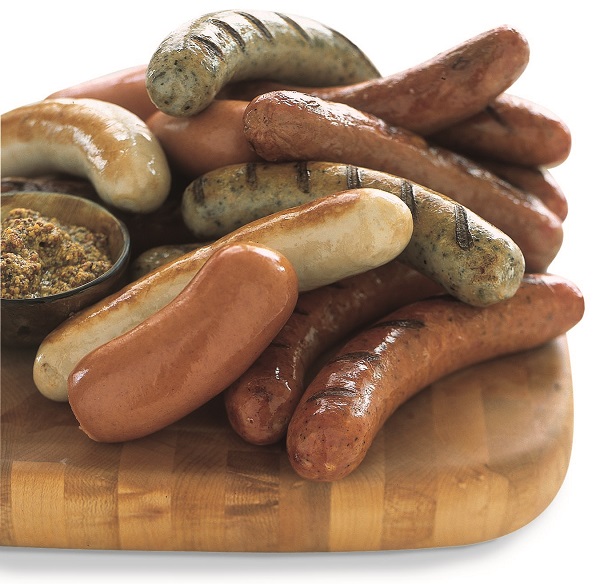
While the concept of sausage is simple, thousands of variations can be found throughout the world. Sausages can be fresh, cured, smoked, or cooked. They are made of beef, pork, veal, chicken, and more. And they can include myriad ingredients, from spices and herbs to fruits, vegetables, and cheeses—and even liquids such as beer, whiskey, or blood. Our “Sausage in Profile” series aims to introduce you to different types of sausage—their flavor profiles, histories, and uses—from familiar favorites to unique finds.

Here in the U.S., the name kielbasa refers to a specific type of Polish sausage, but in Polish “kielbasa” is just the general word for “a sausage.” There are many varieties of Polish sausage, as sausage is a staple in Polish cuisine. The sausage Americans are thinking of when they refer to Kielbasa is “Polska Kielbasa Wędzona,” or Smoked Polish Sausage. While each manufacturer of this sausage has its own recipe, this sausage is generally known to contain pork, beef, garlic, marjoram, and spices.
Sausages600px


Get it while it’s hot! (Or cold.)

Most Polish sausages are either classified as a “normal” or a dry sausage. Dry sausages are usually consumed cold, while “normal” sausages can be cooked in a variety of ways, but can also be enjoyed cold. Polish sausages also differ in size, shape, and color.

Kabanosy: Kabanosy is a dry sausage that is flavored with caraway seeds. Often times this sausage is only seasoned with black pepper. Kabanosy is long, around 12 to 24 inches and as thin as 1 cm. It is usually eaten cold as an appetizer.

Kielbasa Krakowska: This thick sausage can sometimes measure 3 to 4 inches in diameter. Kielbasa Krakowska is a smoked sausage  and is a great accompaniment to salads or in a sandwich. This sausage can be enjoyed cold or cooked.

Kielbasa Wiejska: This “U” shaped smoked sausage is made of pork and veal. “Kielbasa Wiejska” roughly translates to “country-style sausage.” Natural spices help create the course texture of this sausage, which can be enjoyed cooked or cold.

Kielbasa Mysliwska: This dry sausage is double smoked, creating the dark brown color and wrinkled skin. This sausage does not require refrigeration and, because of this, is often referred to as the “hunter’s sausage” because it is great to take on long hunting, camping, or hiking trips.
sausage-on-grill

A Sausage for Every Occasion

Traditional Kielbasa is sometimes referred to as “Ancient Countryside Sausage” because these sausages were originally created in the homes of those living in rural areas.

Sausages are a staple at Polish celebrations and especially during the holidays. Kielbasa Weselna is a double-smoked pork sausage that is traditionally served at weddings.

Kielbasa Mysliwska is used to make Bigos, also known as Polish Hunter’s Stew. This hearty stew, made with cabbage, dried mushrooms, onion, sometimes apple or dried plums, and a variety of spices, is served at any family get together.

Kielbasa is also served as part of a traditional Polish Easter dinner, paired with a pot of chrzan (horseradish) or ćwikła (horseradish with grated beets). In Poland, a traditionally Roman Catholic country, Easter marks the end of Lent, a time of fasting and dietary restrictions. That means that Easter is an occasion for a grand celebratory feast. Kielbasa is the centerpiece to a dinner that often includes other Easter favorites like chalka braided bread or babka, a bread similar to panettone; pierogi filled with sauerkraut, potato, or cheese; hard-cooked eggs; ham; and a butter lamb (butter molded into the shape of a lamb) or lamb cake (a sweet cake baked in a lamb-shaped mold).

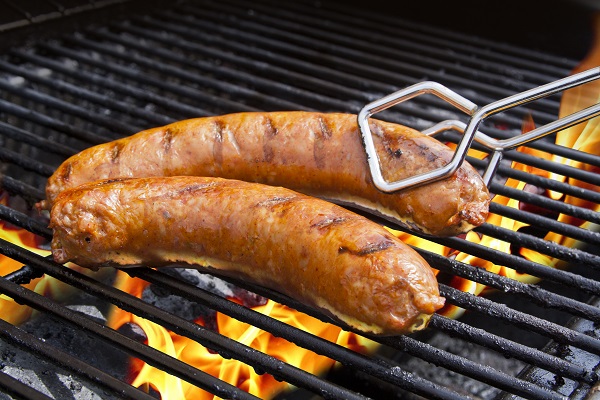
Kielbasa is also the most popular sausage selection for grilling in the United States. So, no matter where you’re cooking or what the occasion, you can’t go wrong with these spicy links.


What’s your favorite way to enjoy kielbasa? Have you ever tried any of these Polish variations? Do you eat kielbasa for Easter? If not, with what traditional Easter foods do you celebrate?

Leave Your Response

* *

© Copyright 2018
Lobel's Culinary Club.
All Rights Reserved

Lobel's of New York