
Lobel's Culinary Club - Recipes, menu ideas, cooking techniques, meat selection tips, and more from America's #1 family of butchers.

Navigation

  • Categories
  • Archives
  • 175th anniversary
  • about lobel's
  • ask the butcher
  • autumn
  • bacon
  • barbecue
  • beef
  • braising
  • christmas
  • cinco de mayo
  • cooking tools
  • culinary classics
  • culinary diy
  • cut of the month
  • easter
  • entertaining
  • food history
  • food pairings
  • grilling
  • guide to meat
  • ham
  • hanukkah
  • holidays
  • lamb
  • lobel's prime meats in manhattan
  • new products
  • new year
  • passover
  • pork
  • poultry
  • recipes & techniques
  • recipes & techniques
  • roasting
  • sausage
  • seafood
  • seasons
  • smoking
  • social media
  • spring
  • stewing
  • summer
  • super sunday
  • thanksgiving
  • t-roy cooks
  • turkey
  • valentine's day
  • veal
  • videos
  • winter
  • yankee stadium
  • November 2021
  • April 2020
  • March 2020
  • February 2020
  • January 2020
  • December 2019
  • November 2019
  • October 2019
  • September 2019
  • April 2019
  • March 2019
  • September 2018
  • August 2018
  • July 2018
  • June 2018
  • May 2018
  • April 2018
  • March 2018
  • February 2018
  • January 2018
  • December 2017
  • November 2017
  • October 2017
  • September 2017
  • August 2017
  • July 2017
  • June 2017
  • May 2017
  • April 2017
  • March 2017
  • February 2017
  • January 2017
  • December 2016
  • November 2016
  • September 2016
  • August 2016
  • July 2016
  • June 2016
  • May 2016
  • April 2016
  • March 2016
  • February 2016
  • January 2016
  • November 2015
  • October 2015
  • September 2015
  • July 2015
  • June 2015
  • May 2015
  • April 2015
  • March 2015
  • February 2015
  • January 2015
  • December 2014
  • November 2014
  • October 2014
  • September 2014
  • August 2014
  • July 2014
  • June 2014
  • May 2014
  • April 2014
  • March 2014
  • February 2014
  • January 2014
  • December 2013
  • November 2013
  • October 2013
  • September 2013
  • August 2013
  • July 2013
  • June 2013
  • May 2013
  • April 2013
  • March 2013
  • February 2013
  • January 2013
  • November 2012
  • October 2012
  • September 2012
  • August 2012
  • July 2012
  • June 2012
  • May 2012
  • April 2012
  • March 2012
  • February 2012
  • January 2012
  • December 2011
  • November 2011
  • October 2011
  • September 2011
  • August 2011
  • July 2011
  • June 2011
  • May 2011
  • April 2011

Links

  • Lobels.com
  • Lobel’s Facebook
  • Lobel’s Pinterest
  • Lobel’s YouTube
  • Home
  • Welcome
  • Articles
  • Contact Us

Welcome

Welcome to the new Lobel’s Culinary Club.

In the years since we launched our Web site and online butcher shop, the Lobel’s Culinary Club has become the cornerstone of our communications with our customers old and new. Our e-mails span the latest news about products and promotions to help you plan peak dining experiences for family meals, special events, and casual entertaining.

A fundamental part of the Culinary Club content comes from our unique perspective as butchers on meat handling and preparation. And while there are many recipes to share, we want to help you go beyond specific recipes to a wider world of in-depth explorations of cooking techniques. When you understand the fundamentals, you are free to invent your own culinary masterpieces.

We believe the more you know about preparing the finest meat money can buy, the more you will enjoy serving it to your family and friends.

With the launch of our expanded Culinary Club, we’ve created a living archive of knowledge that is gleaned from past e-mails and will grow with future e-mails.

Within the Culinary Club, we hope you’ll find numerous and useful resources to enhance your confidence in preparing the finest and freshest meats available, and ensure your absolute delight with the results.

For your dining pleasure,

lobels Signature

Stanley, David, Mark, and Evan Lobel

Lobel Family at the Carving Station

Articles by Month:

  • November 2021
  • April 2020
  • March 2020
  • February 2020
  • January 2020
  • December 2019
  • November 2019
  • October 2019
  • September 2019
  • April 2019
  • March 2019
  • September 2018
  • August 2018
  • July 2018
  • June 2018
  • May 2018
  • April 2018
  • March 2018
  • February 2018
  • January 2018
  • December 2017
  • November 2017
  • October 2017
  • September 2017
  • August 2017
  • July 2017
  • June 2017
  • May 2017
  • April 2017
  • March 2017
  • February 2017
  • January 2017
  • December 2016
  • November 2016
  • September 2016
  • August 2016
  • July 2016
  • June 2016
  • May 2016
  • April 2016
  • March 2016
  • February 2016
  • January 2016
  • November 2015
  • October 2015
  • September 2015
  • July 2015
  • June 2015
  • May 2015
  • April 2015
  • March 2015
  • February 2015
  • January 2015
  • December 2014
  • November 2014
  • October 2014
  • September 2014
  • August 2014
  • July 2014
  • June 2014
  • May 2014
  • April 2014
  • March 2014
  • February 2014
  • January 2014
  • December 2013
  • November 2013
  • October 2013
  • September 2013
  • August 2013
  • July 2013
  • June 2013
  • May 2013
  • April 2013
  • March 2013
  • February 2013
  • January 2013
  • November 2012
  • October 2012
  • September 2012
  • August 2012
  • July 2012
  • June 2012
  • May 2012
  • April 2012
  • March 2012
  • February 2012
  • January 2012
  • December 2011
  • November 2011
  • October 2011
  • September 2011
  • August 2011
  • July 2011
  • June 2011
  • May 2011
  • April 2011

Articles by Subject:

  • 175th anniversary
  • about lobel's
  • ask the butcher
  • autumn
  • bacon
  • barbecue
  • beef
  • braising
  • christmas
  • cinco de mayo
  • cooking tools
  • culinary classics
  • culinary diy
  • cut of the month
  • easter
  • entertaining
  • food history
  • food pairings
  • grilling
  • guide to meat
  • ham
  • hanukkah
  • holidays
  • lamb
  • lobel's prime meats in manhattan
  • new products
  • new year
  • passover
  • pork
  • poultry
  • recipes & techniques
  • recipes & techniques
  • roasting
  • sausage
  • seafood
  • seasons
  • smoking
  • social media
  • spring
  • stewing
  • summer
  • super sunday
  • thanksgiving
  • t-roy cooks
  • turkey
  • valentine's day
  • veal
  • videos
  • winter
  • yankee stadium

Culinary Classics: Steak Diane

On August 16,2012 In beef , culinary classics , food history

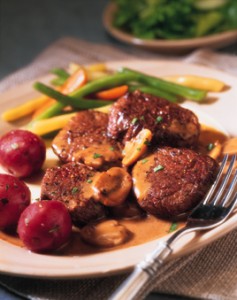
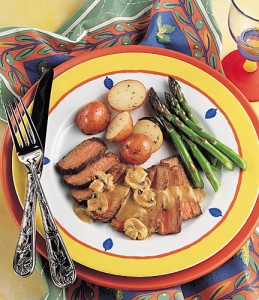
Steak Diane is the classic sauté with pan sauce for carnivores who prefer flair in their meal presentation—and enjoy a bit of flare with their tableside preparation.

On the U.S.front in post-WWII days, casseroles, croquettes, creamed vegetables, chiffon pies, TV dinners, anything you could wrap in bacon, drive-ins, and an expanding range of modern boxed, canned, and frozen convenience foods prevailed in the marketplace and on home dinner tables. GIs returning from European and Asian war fronts brought with them a new-found appetite for ethnic foods, albeit considerably dumbed-down in many cases so as not to offend previously cloistered, yet newly experimental, American palates.

And beef was king!
Steak Diane

Drama and Romance

Steak Diane is among those popular dishes in ubiquitous cosmopolitan, Continental-style restaurants of the 1950s and ’60s that combined high style with leather banquettes, white-linen table cloths and dishes of American and European influences, a bit of theater and dramatic preparation. Caesar salad, guacamole, and spaghetti carbonara, among others—all blended and cooked right before your eyes. French-inspired cherries jubilee, crêpes Suzette, and duck à l’orange, as well as the Creole classic, Bananas Foster, all featured a blast of tableside pyrotechnics.

Steak Diane shared the showcase of a dramatic flambé that was dosed and doused in a frying pan on a portable burner, atop a rolling cart. In a crowded restaurant, heads would snap to attention and eyes would focus sharply each time a waiter set the dish afire, shooting flames skyward. The puff, the pop, and the sudden brilliance of the mini-explosion never failed to ignite also the oohs and ahhs of nearby patrons.

“The beef, sizzling in a large copper pan with brandy flaming and cause bubbling, makes a wonderful show reminiscent of the days when Humphrey Bogart and friends would bound in at midnight following the newest opening on Broadway…“
— Jean Anderson, American Century Cookbook: The Most Popular Recipes of the 20th Century

If you’ve never eaten Steak Diane, remedy that situation as soon as possible by making this luxurious dish of sautéed filet mignon combined with a cream-and-butter sauce studded with shallots and laced with Cognac or brandy in your very own kitchen. (One thing to keep in mind is your level of comfort with flaming a hot frying pan. If you are not comfortable flambeing the steak, don’t do it. Just eliminate that step from your preparation.)

This is an ideal dinner for two—romantically luxurious and indulgent. Put a reminder in your calendar to make this dish next Valentine’s Day—and watch the sparks fly!

Ancient History

The recipe was named in honor of Diana, the Greco-Roman goddess of the hunt and the moon. Nemoralia, also known as the Festival of Torches, honoring Diana are celebrated all over Italy on August 13.

Throughout history, Diana has been portrayed in marble and on canvas frequently with a stag somewhere in the depiction. It recalls Diana’s using her deific powers to turn a hunter into a stag after he spied on her bathing in the wilderness.

So it’s not surprising that, in its original form, Steak Diane was a preparation of venison. In the late 1800s, the dish’s sauce was so popular it was paired with other selections, such as poultry and veal. As such, a la Diane dishes started springing up on menus everywhere. As time has passed, filet mignon has become the meat most closely identified with this dish, although you can find versions that use strip steak or sirloin.
Steak Diane

The Origins

As with so many classic dishes and recipes, first-occurrence attributions or published reports to establish the exact origin of Steak Diane are challenged by several claimants.

It’s a complicated history that involves kissing cousin, steak au poivre, and can be traced as far back as the 1880s. The major difference is that steak au poivre calls for cracked peppercorns pressed into the steak to form a crust and more peppercorns are incorporated into the sauce.

However, there is a thread of agreement that the dish became trendy in New York City restaurants in the ’50s and ’60s.

The first documented recipe for Diane sauce came from the master himself, Auguste Escoffier, in 1907. In that version, Escoffier pushes the envelope of decadence even farther by fortifying the rich sauce with shaved truffles and hard-cooked eggs.

The dish’s popularity in this country, and others like it, coincided with Julia Child’s earliest forays into teaching average Americans how to demystify French cuisine at home.

The Recipe

Recipes for Steak Diane abound, each with their own peculiarity—just type “Steak Diane recipe” into a search engine and choose the variation that best suits your style. As an alternative to sautéing the filets, you could grill them and make the sauce sans pan juices.

The basic recipe is to butterfly two 6- to 8-ounce filets mignon. Saute in butter and then remove. Add shallots and then deglaze the pan with Cognac or brandy. Ignite and, when the flames die down, add in some beef stock or veal demi-glace, heavy cream, and a generous amount of pepper; simmer to reduce and thicken the sauce until it coats the back of the spoon.


Have you ever enjoyed this Culinary Classic? Where did you have the best Steak Diane you’ve ever had? Have you ever made it yourself? Are you brave enough to flambé or not? 

Leave Your Response

* *

© Copyright 2018
Lobel's Culinary Club.
All Rights Reserved

Lobel's of New York