
Lobel's Culinary Club - Recipes, menu ideas, cooking techniques, meat selection tips, and more from America's #1 family of butchers.

Navigation

  • Categories
  • Archives
  • 175th anniversary
  • about lobel's
  • ask the butcher
  • autumn
  • bacon
  • barbecue
  • beef
  • braising
  • christmas
  • cinco de mayo
  • cooking tools
  • culinary classics
  • culinary diy
  • cut of the month
  • easter
  • entertaining
  • food history
  • food pairings
  • grilling
  • guide to meat
  • ham
  • hanukkah
  • holidays
  • lamb
  • lobel's prime meats in manhattan
  • new products
  • new year
  • passover
  • pork
  • poultry
  • recipes & techniques
  • recipes & techniques
  • roasting
  • sausage
  • seafood
  • seasons
  • smoking
  • social media
  • spring
  • stewing
  • summer
  • super sunday
  • thanksgiving
  • t-roy cooks
  • turkey
  • valentine's day
  • veal
  • videos
  • winter
  • yankee stadium
  • November 2021
  • April 2020
  • March 2020
  • February 2020
  • January 2020
  • December 2019
  • November 2019
  • October 2019
  • September 2019
  • April 2019
  • March 2019
  • September 2018
  • August 2018
  • July 2018
  • June 2018
  • May 2018
  • April 2018
  • March 2018
  • February 2018
  • January 2018
  • December 2017
  • November 2017
  • October 2017
  • September 2017
  • August 2017
  • July 2017
  • June 2017
  • May 2017
  • April 2017
  • March 2017
  • February 2017
  • January 2017
  • December 2016
  • November 2016
  • September 2016
  • August 2016
  • July 2016
  • June 2016
  • May 2016
  • April 2016
  • March 2016
  • February 2016
  • January 2016
  • November 2015
  • October 2015
  • September 2015
  • July 2015
  • June 2015
  • May 2015
  • April 2015
  • March 2015
  • February 2015
  • January 2015
  • December 2014
  • November 2014
  • October 2014
  • September 2014
  • August 2014
  • July 2014
  • June 2014
  • May 2014
  • April 2014
  • March 2014
  • February 2014
  • January 2014
  • December 2013
  • November 2013
  • October 2013
  • September 2013
  • August 2013
  • July 2013
  • June 2013
  • May 2013
  • April 2013
  • March 2013
  • February 2013
  • January 2013
  • November 2012
  • October 2012
  • September 2012
  • August 2012
  • July 2012
  • June 2012
  • May 2012
  • April 2012
  • March 2012
  • February 2012
  • January 2012
  • December 2011
  • November 2011
  • October 2011
  • September 2011
  • August 2011
  • July 2011
  • June 2011
  • May 2011
  • April 2011

Links

  • Lobels.com
  • Lobel’s Facebook
  • Lobel’s Pinterest
  • Lobel’s YouTube
  • Home
  • Welcome
  • Articles
  • Contact Us

Welcome

Welcome to the new Lobel’s Culinary Club.

In the years since we launched our Web site and online butcher shop, the Lobel’s Culinary Club has become the cornerstone of our communications with our customers old and new. Our e-mails span the latest news about products and promotions to help you plan peak dining experiences for family meals, special events, and casual entertaining.

A fundamental part of the Culinary Club content comes from our unique perspective as butchers on meat handling and preparation. And while there are many recipes to share, we want to help you go beyond specific recipes to a wider world of in-depth explorations of cooking techniques. When you understand the fundamentals, you are free to invent your own culinary masterpieces.

We believe the more you know about preparing the finest meat money can buy, the more you will enjoy serving it to your family and friends.

With the launch of our expanded Culinary Club, we’ve created a living archive of knowledge that is gleaned from past e-mails and will grow with future e-mails.

Within the Culinary Club, we hope you’ll find numerous and useful resources to enhance your confidence in preparing the finest and freshest meats available, and ensure your absolute delight with the results.

For your dining pleasure,

lobels Signature

Stanley, David, Mark, and Evan Lobel

Lobel Family at the Carving Station

Articles by Month:

  • November 2021
  • April 2020
  • March 2020
  • February 2020
  • January 2020
  • December 2019
  • November 2019
  • October 2019
  • September 2019
  • April 2019
  • March 2019
  • September 2018
  • August 2018
  • July 2018
  • June 2018
  • May 2018
  • April 2018
  • March 2018
  • February 2018
  • January 2018
  • December 2017
  • November 2017
  • October 2017
  • September 2017
  • August 2017
  • July 2017
  • June 2017
  • May 2017
  • April 2017
  • March 2017
  • February 2017
  • January 2017
  • December 2016
  • November 2016
  • September 2016
  • August 2016
  • July 2016
  • June 2016
  • May 2016
  • April 2016
  • March 2016
  • February 2016
  • January 2016
  • November 2015
  • October 2015
  • September 2015
  • July 2015
  • June 2015
  • May 2015
  • April 2015
  • March 2015
  • February 2015
  • January 2015
  • December 2014
  • November 2014
  • October 2014
  • September 2014
  • August 2014
  • July 2014
  • June 2014
  • May 2014
  • April 2014
  • March 2014
  • February 2014
  • January 2014
  • December 2013
  • November 2013
  • October 2013
  • September 2013
  • August 2013
  • July 2013
  • June 2013
  • May 2013
  • April 2013
  • March 2013
  • February 2013
  • January 2013
  • November 2012
  • October 2012
  • September 2012
  • August 2012
  • July 2012
  • June 2012
  • May 2012
  • April 2012
  • March 2012
  • February 2012
  • January 2012
  • December 2011
  • November 2011
  • October 2011
  • September 2011
  • August 2011
  • July 2011
  • June 2011
  • May 2011
  • April 2011

Articles by Subject:

  • 175th anniversary
  • about lobel's
  • ask the butcher
  • autumn
  • bacon
  • barbecue
  • beef
  • braising
  • christmas
  • cinco de mayo
  • cooking tools
  • culinary classics
  • culinary diy
  • cut of the month
  • easter
  • entertaining
  • food history
  • food pairings
  • grilling
  • guide to meat
  • ham
  • hanukkah
  • holidays
  • lamb
  • lobel's prime meats in manhattan
  • new products
  • new year
  • passover
  • pork
  • poultry
  • recipes & techniques
  • recipes & techniques
  • roasting
  • sausage
  • seafood
  • seasons
  • smoking
  • social media
  • spring
  • stewing
  • summer
  • super sunday
  • thanksgiving
  • t-roy cooks
  • turkey
  • valentine's day
  • veal
  • videos
  • winter
  • yankee stadium

Culinary Classic: Mashed Potatoes

On November 14,2013 In culinary classics , thanksgiving

Mashed potatoes are just fine when simply and classically prepared for the purists among us. However, you can take them off the chart by combining them with some tempting add-ins and just a tad more effort.
1399901_68395478

Which Potato?

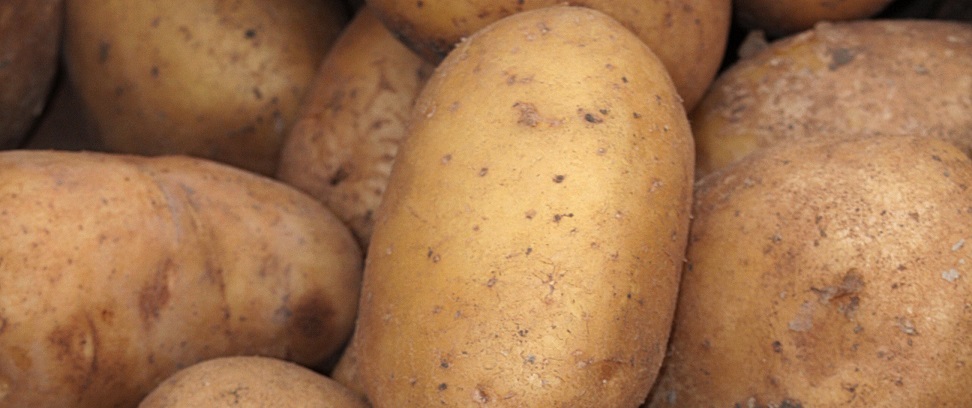
Idaho russet potatoes were, for a long time, the top pick for perfect mashed potatoes. In recent years, however, Yukon Gold potatoes have been winning over the hearts and palates of mashed potato aficionados. Each potato, however, represents a different style, so it’s really hard to say which is better because it all depends on your taste preferences.

Idaho russets are a high-starch/low-water potato—perfect for baking and break down readily when incorporated with other foods. Mashed russets are drier and require more liquid and fat to become creamy.

Yukon Golds have moderate starch and water content. They tend to be lighter and fluffier when mashed.

Skin on or skin off is also a matter of taste preference. The skins add a rustic drier, toothier element to the mash, whereas skinless mashed potatoes are sublime when whipped to perfection.

How to Treat a Potato

How you go about mashing potatoes is also a matter of preference—lumpy or smooth.

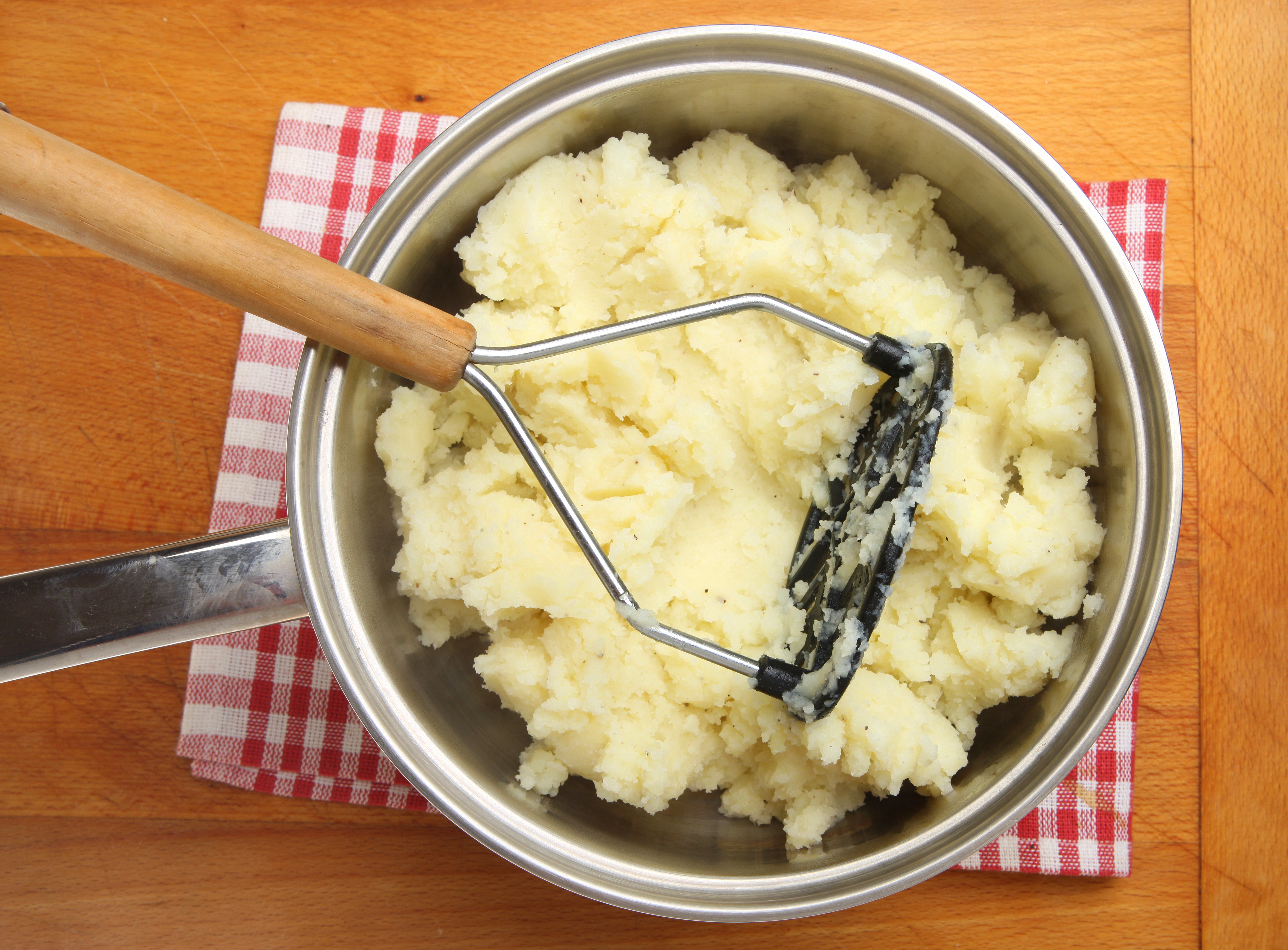
Hand mashing with a wooden spoon or a proper potato masher is very rustic and translates the idea of homemade into the actual taste and texture. Small lumps dispersed among a creamy puree has a wonderful mouthfeel that gives you something to chew.

Using a hand mixer speeds up the mashing process and results in a smoother texture. However, be careful not to overdo it. Too much beating with the mixer may overwork the starch in the potatoes and cause them to go from fluffy to waxy.

Whether you choose to boil the potatoes whole or pre-cut into chunks or dice is also a matter of preference. However, it is always best to mash the potatoes first while they are hot, and then add butter, cream, etc., after the mash is almost to the desired consistency. Adding cold ingredients first lowers the temperature of the potatoes and makes them more difficult to mash and blend in the cold ingredients evenly.

Potatoes Plus

Try sauteing just about any single kind or a combination of mushrooms in butter or olive oil. Add to the mushrooms some minced garlic, fresh thyme, and parsley with a splash of dry sherry and a spot of turkey stock. Then, just fold them in with the mashing is done. Just fold them in when the mashing is done.

Shredded or grated cheese—Parmigiano, Asiago, or Romano—adds another layer of luxurious taste.

Experiment with whatever is on hand: leeks, caramelized sweet onions, shallots, or roasted garlic, as well as such fresh herbs as sage, rosemary, marjoram, chives, scallions, or smoked paprika.

A flavored compound butter, such as black truffle butter, Tuscan herb, or porcini-sage butter, is another easy substitute in the basic mash for added depth of flavor with virtually no extra effort.

Guiltless Indulgence

If you are being on good behavior, the anything-goes type of mashed potato might not be for you. There are, however, options that are not as indulgent, but they are a far more reasonable alternative than no mash at all.

You can control calories by selecting a dairy product other than cream. Skim milk, 1% or 2% milk, and half-and-half all can be used to scale down the fat content. For an even lower-fat variation, try using chicken or turkey stock. Low-fat sour cream or low-fat cream cheese are good choices for lower-fat options that retain a very pleasant mouthfeel.

As for a complete mashed potato substitute, cauliflower boiled or steamed until soft and then mashed with the usual flavorings is a low-starch, low-carb alternative that just may surprise you with what a good and healthful substitute it is.

Variations on a Theme

With stuffing, mashed potatoes, and all manner of desserts, Thanksgiving dinner can be a journey into carbohydrate oblivion. But why stop there? Taking a step beyond traditional white potatoes for mashing—sweet potatoes offer another variation that doesn’t require an either-or choice when you can serve them side-by-side.

Sweet potatoes come in all shapes, sizes, and textures. And while some varieties are suited for mashing, others are better for roasting or glazing. To help you sort out which is which, here’s a great photo guide to sweet potatoes from Saveur Magazine?

Whereas white mashed potatoes have an affinity for savory flavors, mashed sweet potatoes tend to favor warm and sweet flavors. So, after adding cream and butter, try incorporating cinnamon, nutmeg, brown sugar, maple syrup, orange juice, or apple cider.

You could also sauté thinly sliced apples or pears in a bit of butter and brown sugar and then fold them into the sweet potato mash. Or poach the slices in cider until soft before adding to the mash.

Get Smashed

We’re still discussing potatoes—not how much you imbibe on turkey day.

Smashed potatoes are an entirely non-traditional way of preparing potatoes. But what they lack in tradition, they more than make up in absolute deliciousness—and fun!

To make smashed potatoes you need baby potatoes boiled until fork-tender. Take the potatoes out of the water and let them cool just enough to handle them comfortably. With the heel of your hand or the side of a heavy cleaver, press down on each potato until the skin breaks and the potato collapses on itself into a patty shape.

Take the flattened potatoes and spread them on a cookie sheet in a single layer. Top with a drizzle of extra-virgin olive oil and a sprinkling of salt, pepper, and any other seasonings or grated cheese of your choice. Roast in a 375oF oven for about 20 minutes until the outsides turn golden.

Smashed potatoes can also be made as regular mashed potatoes, just leave them in a very chunky texture, rather than smooth.
Mashed Potato


How do you take your potatoes on Thanksgiving Day? What style do you prefer—smooth as silk, chunky, smashed? What’s your favorite mix-in?

Leave Your Response

* *

© Copyright 2018
Lobel's Culinary Club.
All Rights Reserved

Lobel's of New York