
Lobel's Culinary Club - Recipes, menu ideas, cooking techniques, meat selection tips, and more from America's #1 family of butchers.

Navigation

  • Categories
  • Archives
  • 175th anniversary
  • about lobel's
  • ask the butcher
  • autumn
  • bacon
  • barbecue
  • beef
  • braising
  • christmas
  • cinco de mayo
  • cooking tools
  • culinary classics
  • culinary diy
  • cut of the month
  • easter
  • entertaining
  • food history
  • food pairings
  • grilling
  • guide to meat
  • ham
  • hanukkah
  • holidays
  • lamb
  • lobel's prime meats in manhattan
  • new products
  • new year
  • passover
  • pork
  • poultry
  • recipes & techniques
  • recipes & techniques
  • roasting
  • sausage
  • seafood
  • seasons
  • smoking
  • social media
  • spring
  • stewing
  • summer
  • super sunday
  • thanksgiving
  • t-roy cooks
  • turkey
  • valentine's day
  • veal
  • videos
  • winter
  • yankee stadium
  • November 2021
  • April 2020
  • March 2020
  • February 2020
  • January 2020
  • December 2019
  • November 2019
  • October 2019
  • September 2019
  • April 2019
  • March 2019
  • September 2018
  • August 2018
  • July 2018
  • June 2018
  • May 2018
  • April 2018
  • March 2018
  • February 2018
  • January 2018
  • December 2017
  • November 2017
  • October 2017
  • September 2017
  • August 2017
  • July 2017
  • June 2017
  • May 2017
  • April 2017
  • March 2017
  • February 2017
  • January 2017
  • December 2016
  • November 2016
  • September 2016
  • August 2016
  • July 2016
  • June 2016
  • May 2016
  • April 2016
  • March 2016
  • February 2016
  • January 2016
  • November 2015
  • October 2015
  • September 2015
  • July 2015
  • June 2015
  • May 2015
  • April 2015
  • March 2015
  • February 2015
  • January 2015
  • December 2014
  • November 2014
  • October 2014
  • September 2014
  • August 2014
  • July 2014
  • June 2014
  • May 2014
  • April 2014
  • March 2014
  • February 2014
  • January 2014
  • December 2013
  • November 2013
  • October 2013
  • September 2013
  • August 2013
  • July 2013
  • June 2013
  • May 2013
  • April 2013
  • March 2013
  • February 2013
  • January 2013
  • November 2012
  • October 2012
  • September 2012
  • August 2012
  • July 2012
  • June 2012
  • May 2012
  • April 2012
  • March 2012
  • February 2012
  • January 2012
  • December 2011
  • November 2011
  • October 2011
  • September 2011
  • August 2011
  • July 2011
  • June 2011
  • May 2011
  • April 2011

Links

  • Lobels.com
  • Lobel’s Facebook
  • Lobel’s Pinterest
  • Lobel’s YouTube
  • Home
  • Welcome
  • Articles
  • Contact Us

Welcome

Welcome to the new Lobel’s Culinary Club.

In the years since we launched our Web site and online butcher shop, the Lobel’s Culinary Club has become the cornerstone of our communications with our customers old and new. Our e-mails span the latest news about products and promotions to help you plan peak dining experiences for family meals, special events, and casual entertaining.

A fundamental part of the Culinary Club content comes from our unique perspective as butchers on meat handling and preparation. And while there are many recipes to share, we want to help you go beyond specific recipes to a wider world of in-depth explorations of cooking techniques. When you understand the fundamentals, you are free to invent your own culinary masterpieces.

We believe the more you know about preparing the finest meat money can buy, the more you will enjoy serving it to your family and friends.

With the launch of our expanded Culinary Club, we’ve created a living archive of knowledge that is gleaned from past e-mails and will grow with future e-mails.

Within the Culinary Club, we hope you’ll find numerous and useful resources to enhance your confidence in preparing the finest and freshest meats available, and ensure your absolute delight with the results.

For your dining pleasure,

lobels Signature

Stanley, David, Mark, and Evan Lobel

Lobel Family at the Carving Station

Articles by Month:

  • November 2021
  • April 2020
  • March 2020
  • February 2020
  • January 2020
  • December 2019
  • November 2019
  • October 2019
  • September 2019
  • April 2019
  • March 2019
  • September 2018
  • August 2018
  • July 2018
  • June 2018
  • May 2018
  • April 2018
  • March 2018
  • February 2018
  • January 2018
  • December 2017
  • November 2017
  • October 2017
  • September 2017
  • August 2017
  • July 2017
  • June 2017
  • May 2017
  • April 2017
  • March 2017
  • February 2017
  • January 2017
  • December 2016
  • November 2016
  • September 2016
  • August 2016
  • July 2016
  • June 2016
  • May 2016
  • April 2016
  • March 2016
  • February 2016
  • January 2016
  • November 2015
  • October 2015
  • September 2015
  • July 2015
  • June 2015
  • May 2015
  • April 2015
  • March 2015
  • February 2015
  • January 2015
  • December 2014
  • November 2014
  • October 2014
  • September 2014
  • August 2014
  • July 2014
  • June 2014
  • May 2014
  • April 2014
  • March 2014
  • February 2014
  • January 2014
  • December 2013
  • November 2013
  • October 2013
  • September 2013
  • August 2013
  • July 2013
  • June 2013
  • May 2013
  • April 2013
  • March 2013
  • February 2013
  • January 2013
  • November 2012
  • October 2012
  • September 2012
  • August 2012
  • July 2012
  • June 2012
  • May 2012
  • April 2012
  • March 2012
  • February 2012
  • January 2012
  • December 2011
  • November 2011
  • October 2011
  • September 2011
  • August 2011
  • July 2011
  • June 2011
  • May 2011
  • April 2011

Articles by Subject:

  • 175th anniversary
  • about lobel's
  • ask the butcher
  • autumn
  • bacon
  • barbecue
  • beef
  • braising
  • christmas
  • cinco de mayo
  • cooking tools
  • culinary classics
  • culinary diy
  • cut of the month
  • easter
  • entertaining
  • food history
  • food pairings
  • grilling
  • guide to meat
  • ham
  • hanukkah
  • holidays
  • lamb
  • lobel's prime meats in manhattan
  • new products
  • new year
  • passover
  • pork
  • poultry
  • recipes & techniques
  • recipes & techniques
  • roasting
  • sausage
  • seafood
  • seasons
  • smoking
  • social media
  • spring
  • stewing
  • summer
  • super sunday
  • thanksgiving
  • t-roy cooks
  • turkey
  • valentine's day
  • veal
  • videos
  • winter
  • yankee stadium

Culinary Classic: Chinese Barbecued Pork

On October 10,2013 In culinary classics , pork , recipes & techniques

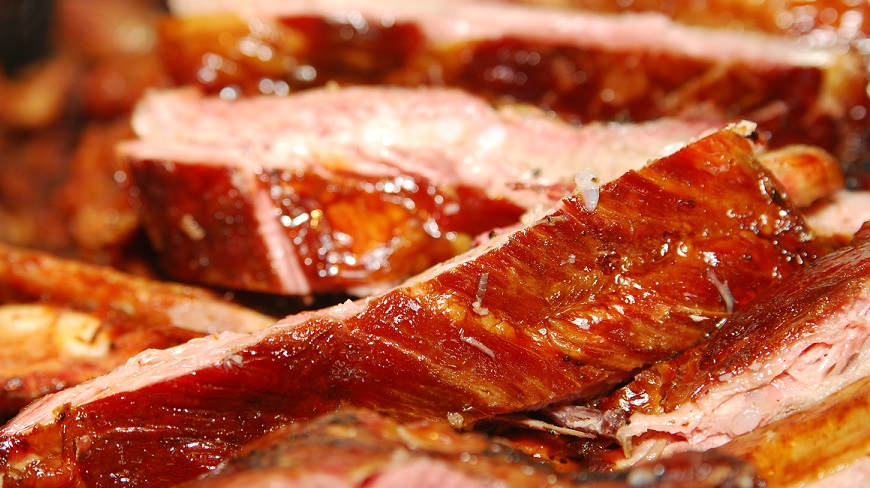
Though variations of this dish abound throughout Eastern Asia, particularly the many regions of China from Szechuan to Singapore, barbecued pork’s lacquered-mahogany sheen makes it one of the most readily recognizable dishes in the pantheon of Asian cuisine.
BBQ ribs

A Pork Dish Named Siu

On a cold day, tucking into your favorite Chinese eatery for some hot tea and a plate of Chinese BBQ pork with simply steamed rice and pan juices is a recipe for smoothing away the edges of the most prickly soul.

Originating in Canton in ancient times when boar was the meat of choice, this type of pork preparation is known as char siu, literally fork roast. Similar spellings and recipes proliferate in the Far East, including char siew in Thailand and Malaysia and Chāshū in Japan. According to a 2011 poll by CNN, char siu ranked 28th out of the top 50 most delicious foods in the world.

Siu mei is a shop or restaurant specializing in roasted meats—where strips of BBQ pork hang in the front window next to golden and crispy Peking ducks, wrinkly sausages, and other roasted meats.

You’ll find char siu diced in fried rice, sliced into small rectangular tiles in many stir-fry dishes and soups, tenderly julienned in egg and spring rolls, or shredded and layered into a pillowy bun.

Cuts of Pork

The fattiness of char siu can be easily controlled according to which cut of pork you use. Pork loin would have the least fat. Pork tenderloin has about the same fat content, but has the added advantage of being naturally portion-controlled in about 10-ounce pieces. You can up the flavor quotient in either case by using Berkshire pork loin which has more marbling.

At the other extreme, pork belly’s alternating streaks of lean and fat are indulgent to say the least because, were the same cut cured and smoked, it would be called bacon.

The most popular choice is pork shoulder which yields well-marbled and juicy strips. And in the middle of it all—fat-content-wise—is pork collar (neck) which though harder to find is worth the hunt.

Whichever cut you choose, you’ll cut it into hunky strips of 8 to 10 ounces before marinating and roasting.

Prominent Flavors

The main flavor components of char siu include:

  • 5-spice powder, a traditional blend of star anise, cassia bark (related to cinnamon), cloves, Szechuan pepper and fennel.
  • Dark and light soy sauces, which when cooked, add the reddish color.
  • Hoisin sauce, thick Chinese BBQ sauce.
  • A sweetener: maltose (malt syrup—also painted on Peking duck to make the skin extra crispy) or honey. Use maltose when you want crispy but mild sweetness and honey when you want it crispy and sweet. During roasting, the sweeteners caramelize on the surface and add a sweetness contrasted against the savory and salty qualities of the other ingredients.

The characteristic deep reddish color comes about two ways: authentically by the chemistry of the soy sauces and red bean paste, or by adding red food coloring. The two are easily detected—the coloring adds an artificial-looking pinkish-red hue to the edge of the meat. The natural coloration in char siu reminds one of the pink-red ring in Southern-U.S.-style smoked foods.

Recipes in text and video are easy to find on the Internet. Just search for: char siu recipe.

Or check out our recipe here. 


Have you made char siu yourself? What’s your favorite cut of pork to use? Or do you have a favorite restaurant where you like to order Chinese BBQ pork? What’s your favorite dish that uses char siu as an ingredient?

Leave Your Response

* *

© Copyright 2018
Lobel's Culinary Club.
All Rights Reserved

Lobel's of New York