
Lobel's Culinary Club - Recipes, menu ideas, cooking techniques, meat selection tips, and more from America's #1 family of butchers.

Navigation

  • Categories
  • Archives
  • 175th anniversary
  • about lobel's
  • ask the butcher
  • autumn
  • bacon
  • barbecue
  • beef
  • braising
  • christmas
  • cinco de mayo
  • cooking tools
  • culinary classics
  • culinary diy
  • cut of the month
  • easter
  • entertaining
  • food history
  • food pairings
  • grilling
  • guide to meat
  • ham
  • hanukkah
  • holidays
  • lamb
  • lobel's prime meats in manhattan
  • new products
  • new year
  • passover
  • pork
  • poultry
  • recipes & techniques
  • recipes & techniques
  • roasting
  • sausage
  • seafood
  • seasons
  • smoking
  • social media
  • spring
  • stewing
  • summer
  • super sunday
  • thanksgiving
  • t-roy cooks
  • turkey
  • valentine's day
  • veal
  • videos
  • winter
  • yankee stadium
  • November 2021
  • April 2020
  • March 2020
  • February 2020
  • January 2020
  • December 2019
  • November 2019
  • October 2019
  • September 2019
  • April 2019
  • March 2019
  • September 2018
  • August 2018
  • July 2018
  • June 2018
  • May 2018
  • April 2018
  • March 2018
  • February 2018
  • January 2018
  • December 2017
  • November 2017
  • October 2017
  • September 2017
  • August 2017
  • July 2017
  • June 2017
  • May 2017
  • April 2017
  • March 2017
  • February 2017
  • January 2017
  • December 2016
  • November 2016
  • September 2016
  • August 2016
  • July 2016
  • June 2016
  • May 2016
  • April 2016
  • March 2016
  • February 2016
  • January 2016
  • November 2015
  • October 2015
  • September 2015
  • July 2015
  • June 2015
  • May 2015
  • April 2015
  • March 2015
  • February 2015
  • January 2015
  • December 2014
  • November 2014
  • October 2014
  • September 2014
  • August 2014
  • July 2014
  • June 2014
  • May 2014
  • April 2014
  • March 2014
  • February 2014
  • January 2014
  • December 2013
  • November 2013
  • October 2013
  • September 2013
  • August 2013
  • July 2013
  • June 2013
  • May 2013
  • April 2013
  • March 2013
  • February 2013
  • January 2013
  • November 2012
  • October 2012
  • September 2012
  • August 2012
  • July 2012
  • June 2012
  • May 2012
  • April 2012
  • March 2012
  • February 2012
  • January 2012
  • December 2011
  • November 2011
  • October 2011
  • September 2011
  • August 2011
  • July 2011
  • June 2011
  • May 2011
  • April 2011

Links

  • Lobels.com
  • Lobel’s Facebook
  • Lobel’s Pinterest
  • Lobel’s YouTube
  • Home
  • Welcome
  • Articles
  • Contact Us

Welcome

Welcome to the new Lobel’s Culinary Club.

In the years since we launched our Web site and online butcher shop, the Lobel’s Culinary Club has become the cornerstone of our communications with our customers old and new. Our e-mails span the latest news about products and promotions to help you plan peak dining experiences for family meals, special events, and casual entertaining.

A fundamental part of the Culinary Club content comes from our unique perspective as butchers on meat handling and preparation. And while there are many recipes to share, we want to help you go beyond specific recipes to a wider world of in-depth explorations of cooking techniques. When you understand the fundamentals, you are free to invent your own culinary masterpieces.

We believe the more you know about preparing the finest meat money can buy, the more you will enjoy serving it to your family and friends.

With the launch of our expanded Culinary Club, we’ve created a living archive of knowledge that is gleaned from past e-mails and will grow with future e-mails.

Within the Culinary Club, we hope you’ll find numerous and useful resources to enhance your confidence in preparing the finest and freshest meats available, and ensure your absolute delight with the results.

For your dining pleasure,

lobels Signature

Stanley, David, Mark, and Evan Lobel

Lobel Family at the Carving Station

Articles by Month:

  • November 2021
  • April 2020
  • March 2020
  • February 2020
  • January 2020
  • December 2019
  • November 2019
  • October 2019
  • September 2019
  • April 2019
  • March 2019
  • September 2018
  • August 2018
  • July 2018
  • June 2018
  • May 2018
  • April 2018
  • March 2018
  • February 2018
  • January 2018
  • December 2017
  • November 2017
  • October 2017
  • September 2017
  • August 2017
  • July 2017
  • June 2017
  • May 2017
  • April 2017
  • March 2017
  • February 2017
  • January 2017
  • December 2016
  • November 2016
  • September 2016
  • August 2016
  • July 2016
  • June 2016
  • May 2016
  • April 2016
  • March 2016
  • February 2016
  • January 2016
  • November 2015
  • October 2015
  • September 2015
  • July 2015
  • June 2015
  • May 2015
  • April 2015
  • March 2015
  • February 2015
  • January 2015
  • December 2014
  • November 2014
  • October 2014
  • September 2014
  • August 2014
  • July 2014
  • June 2014
  • May 2014
  • April 2014
  • March 2014
  • February 2014
  • January 2014
  • December 2013
  • November 2013
  • October 2013
  • September 2013
  • August 2013
  • July 2013
  • June 2013
  • May 2013
  • April 2013
  • March 2013
  • February 2013
  • January 2013
  • November 2012
  • October 2012
  • September 2012
  • August 2012
  • July 2012
  • June 2012
  • May 2012
  • April 2012
  • March 2012
  • February 2012
  • January 2012
  • December 2011
  • November 2011
  • October 2011
  • September 2011
  • August 2011
  • July 2011
  • June 2011
  • May 2011
  • April 2011

Articles by Subject:

  • 175th anniversary
  • about lobel's
  • ask the butcher
  • autumn
  • bacon
  • barbecue
  • beef
  • braising
  • christmas
  • cinco de mayo
  • cooking tools
  • culinary classics
  • culinary diy
  • cut of the month
  • easter
  • entertaining
  • food history
  • food pairings
  • grilling
  • guide to meat
  • ham
  • hanukkah
  • holidays
  • lamb
  • lobel's prime meats in manhattan
  • new products
  • new year
  • passover
  • pork
  • poultry
  • recipes & techniques
  • recipes & techniques
  • roasting
  • sausage
  • seafood
  • seasons
  • smoking
  • social media
  • spring
  • stewing
  • summer
  • super sunday
  • thanksgiving
  • t-roy cooks
  • turkey
  • valentine's day
  • veal
  • videos
  • winter
  • yankee stadium

Culinary Classic: Beer-Can Chicken

On July 17,2016 In culinary classics , grilling , poultry , recipes & techniques

The origins of Beer-Can Chicken are not clearly defined. But, at some point in the 1970s, drinking beer and eating barbecued chicken at college tailgate parties just wasn’t enough.
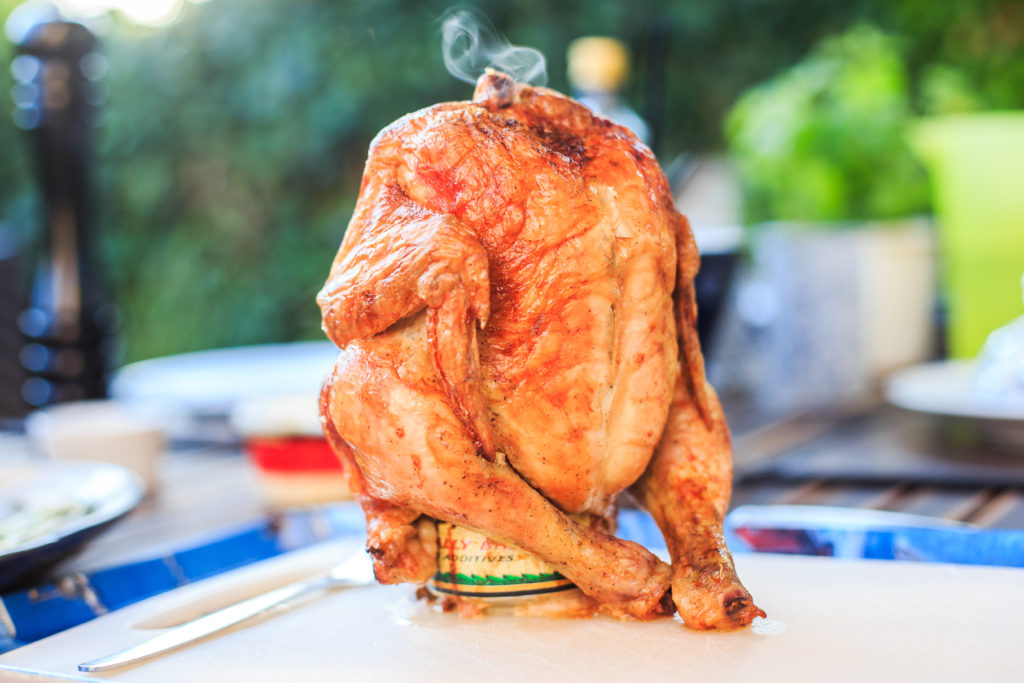
Beer Can Chicken

So, perhaps during the stupor of a reverie, somebody got the bright idea to stick a half can of beer into the body cavity of a whole chicken and roast it on a grill.

In retrospect, all we can say is: It worked!

The proliferation of this method of cooking a chicken spread in popularity across campuses and tailgate parties until it hit the competition-barbecue circuit and became an institutionalized favorite all over the country. Article after article—even books—have been written about Beer-Can Chicken under its many other monikers, including Drunken Chicken and Dancing Chicken.

So why is everybody gaga over Beer-Can Chicken? Well, it is crispy on the outside, deliciously moist through and through, and relatively easy to prepare.

About the Chicken
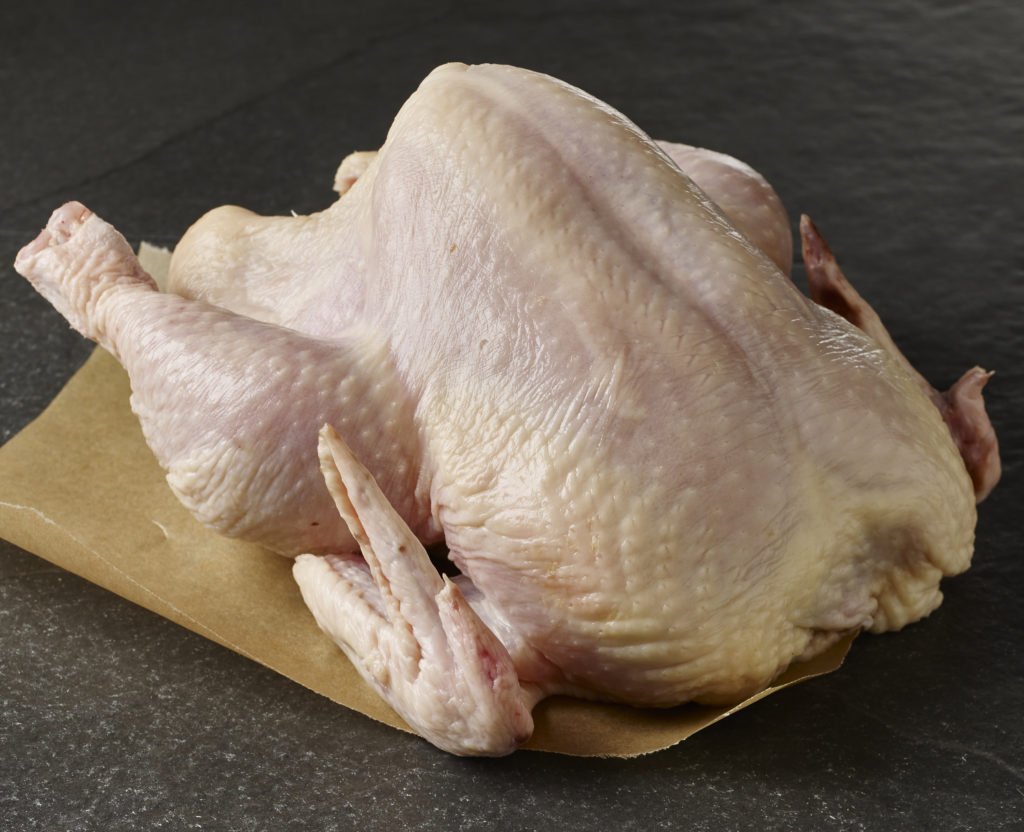
Whole Fryer Chicken

To make Beer-Can Chicken, a plump, whole 3½-pound fryer is the best choice.

Rinse and dry the bird and sprinkle the body cavity with a liberal amount of your favorite seasoning or dry rub. Lobel’s All-Purpose Savory Seasoning is great for this use.

Brush olive, canola, or peanut oil all over the outside of the chicken and then sprinkle liberally with the seasoning.

Tuck the wing tips under so they hold snug to the body.

About the Beer

beer

The same rule of selecting a wine for cooking applies to choosing a beer for this recipe: Don’t choose a beer you wouldn’t drink. In fact, choose your favorite beer or experiment with different types, say a pilsner, lager, amber, or stout to see which suits your fancy best.

Also, depending on the size of your chicken, a 12-ounce can of beer is a good choice; although a taller 16-ounce can of beer would be best and more stable on the grill for a larger bird.

Open the beer and pour out or drink half the can. With a bottle opener, punch 2 to 3 more holes in the top. Alternatively, you can use a can opener and take the top off entirely. Then, add a couple of tablespoons of seasoning to the remaining beer.

Assembly

Off the heat, carefully slide the chicken onto the beer can, neck side up, so the chicken rests on the can and its two legs.

With one hand slide a spatula under the beer can as you steady the upper portion of the chicken with your other hand. Then lift and transfer to the grill.

When the chicken is done, use the same method to remove it from the grill. Place it on a heat-resistant surface before removing the chicken from the beer can.

The Fire

Set your grill up for indirect cooking.

For a charcoal grill, it is best to mound the coals on opposite sides of the grill with no coals in the middle. Place a drip pan between the piles of coals.
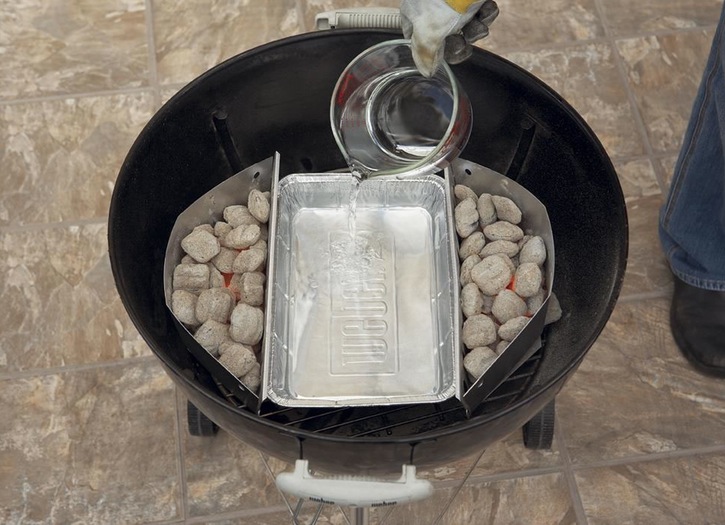
drip pan

Image courtesy of Weber Grills

When ready to roast, position the chicken in the middle of the grill grid, over the drip pan.

Gas grills have between 2 and 6 burners which run either vertically or horizontally, so you may need to experiment with the burner configuration to ensure you reach a consistent running temperature of 350° to 450°F.

So using a 3-burner grill as an example, have one of the burners on the end set to medium-high heat and the other two burners turned off. Set a drip pan on the unlit burners, fill with liquid (anything from water to wine with aromatic herbs and vegetables—or beer), and replace the grill grid over it.

You can also put the drip pan directly on the grill grid and set the chicken inside it.

Is It Done Yet?

Depending on the running temperature of your fire, the chicken will take from 45 minutes to 1 hour 15 minutes to grill-roast. You know it is done when the internal temperature reaches 160° to 165°F in the breast, 170°F in the thigh, and the juices in the thigh run clear when the skin is pricked.

After removing the chicken from the grill and taking it off the beer can, let the bird rest for 10 to 15 minutes before carving.

Beer-Can Alternatives

Beer cans aren’t the most steady devices to use on a hot grill, and so the barbecue world has come up with myriad other options, from wire frames with a center holder for the beer can to more substantial devices of solid construction that incorporate a bottom tray to stabilize the entire assembly. With these roasters, you can easily substitute a wine, stock, or other liquid for the beer.

To find the type that is best for you, do a search using the term: beer-can chicken roasters.

Some have even called into service a bundt pan. And while its essential construction suits this purpose, the sides are too high to allow the entire chicken to crisp. Sadly, the portion that is inside the bundt pan will steam rather than roast and crisp.


Have you ever made Beer-Can Chicken? What type of vessel do you use? What’s your favorite beer to use? What’s your favorite spice rub to use? What do you serve with Beer-Can Chicken?

Save

Save

Save

Leave Your Response

* *

© Copyright 2018
Lobel's Culinary Club.
All Rights Reserved

Lobel's of New York