Lobel's Culinary Club - Recipes, menu ideas, cooking techniques, meat selection tips, and more from America's #1 family of butchers.

Navigation

  • Categories
  • Archives
  • 175th anniversary
  • about lobel's
  • ask the butcher
  • autumn
  • bacon
  • barbecue
  • beef
  • braising
  • christmas
  • cinco de mayo
  • cooking tools
  • culinary classics
  • culinary diy
  • cut of the month
  • easter
  • entertaining
  • food history
  • food pairings
  • grilling
  • guide to meat
  • ham
  • hanukkah
  • holidays
  • lamb
  • lobel's prime meats in manhattan
  • new products
  • new year
  • passover
  • pork
  • poultry
  • recipes & techniques
  • recipes & techniques
  • roasting
  • sausage
  • seafood
  • seasons
  • smoking
  • social media
  • spring
  • stewing
  • summer
  • super sunday
  • thanksgiving
  • t-roy cooks
  • turkey
  • valentine's day
  • veal
  • videos
  • winter
  • yankee stadium
  • November 2021
  • April 2020
  • March 2020
  • February 2020
  • January 2020
  • December 2019
  • November 2019
  • October 2019
  • September 2019
  • April 2019
  • March 2019
  • September 2018
  • August 2018
  • July 2018
  • June 2018
  • May 2018
  • April 2018
  • March 2018
  • February 2018
  • January 2018
  • December 2017
  • November 2017
  • October 2017
  • September 2017
  • August 2017
  • July 2017
  • June 2017
  • May 2017
  • April 2017
  • March 2017
  • February 2017
  • January 2017
  • December 2016
  • November 2016
  • September 2016
  • August 2016
  • July 2016
  • June 2016
  • May 2016
  • April 2016
  • March 2016
  • February 2016
  • January 2016
  • November 2015
  • October 2015
  • September 2015
  • July 2015
  • June 2015
  • May 2015
  • April 2015
  • March 2015
  • February 2015
  • January 2015
  • December 2014
  • November 2014
  • October 2014
  • September 2014
  • August 2014
  • July 2014
  • June 2014
  • May 2014
  • April 2014
  • March 2014
  • February 2014
  • January 2014
  • December 2013
  • November 2013
  • October 2013
  • September 2013
  • August 2013
  • July 2013
  • June 2013
  • May 2013
  • April 2013
  • March 2013
  • February 2013
  • January 2013
  • November 2012
  • October 2012
  • September 2012
  • August 2012
  • July 2012
  • June 2012
  • May 2012
  • April 2012
  • March 2012
  • February 2012
  • January 2012
  • December 2011
  • November 2011
  • October 2011
  • September 2011
  • August 2011
  • July 2011
  • June 2011
  • May 2011
  • April 2011

Links

  • Lobels.com
  • Lobel’s Facebook
  • Lobel’s Pinterest
  • Lobel’s YouTube
  • Home
  • Welcome
  • Articles
  • Contact Us

Welcome

Welcome to the new Lobel’s Culinary Club.

In the years since we launched our Web site and online butcher shop, the Lobel’s Culinary Club has become the cornerstone of our communications with our customers old and new. Our e-mails span the latest news about products and promotions to help you plan peak dining experiences for family meals, special events, and casual entertaining.

A fundamental part of the Culinary Club content comes from our unique perspective as butchers on meat handling and preparation. And while there are many recipes to share, we want to help you go beyond specific recipes to a wider world of in-depth explorations of cooking techniques. When you understand the fundamentals, you are free to invent your own culinary masterpieces.

We believe the more you know about preparing the finest meat money can buy, the more you will enjoy serving it to your family and friends.

With the launch of our expanded Culinary Club, we’ve created a living archive of knowledge that is gleaned from past e-mails and will grow with future e-mails.

Within the Culinary Club, we hope you’ll find numerous and useful resources to enhance your confidence in preparing the finest and freshest meats available, and ensure your absolute delight with the results.

For your dining pleasure,

lobels Signature

Stanley, David, Mark, and Evan Lobel

Lobel Family at the Carving Station

Articles by Month:

  • November 2021
  • April 2020
  • March 2020
  • February 2020
  • January 2020
  • December 2019
  • November 2019
  • October 2019
  • September 2019
  • April 2019
  • March 2019
  • September 2018
  • August 2018
  • July 2018
  • June 2018
  • May 2018
  • April 2018
  • March 2018
  • February 2018
  • January 2018
  • December 2017
  • November 2017
  • October 2017
  • September 2017
  • August 2017
  • July 2017
  • June 2017
  • May 2017
  • April 2017
  • March 2017
  • February 2017
  • January 2017
  • December 2016
  • November 2016
  • September 2016
  • August 2016
  • July 2016
  • June 2016
  • May 2016
  • April 2016
  • March 2016
  • February 2016
  • January 2016
  • November 2015
  • October 2015
  • September 2015
  • July 2015
  • June 2015
  • May 2015
  • April 2015
  • March 2015
  • February 2015
  • January 2015
  • December 2014
  • November 2014
  • October 2014
  • September 2014
  • August 2014
  • July 2014
  • June 2014
  • May 2014
  • April 2014
  • March 2014
  • February 2014
  • January 2014
  • December 2013
  • November 2013
  • October 2013
  • September 2013
  • August 2013
  • July 2013
  • June 2013
  • May 2013
  • April 2013
  • March 2013
  • February 2013
  • January 2013
  • November 2012
  • October 2012
  • September 2012
  • August 2012
  • July 2012
  • June 2012
  • May 2012
  • April 2012
  • March 2012
  • February 2012
  • January 2012
  • December 2011
  • November 2011
  • October 2011
  • September 2011
  • August 2011
  • July 2011
  • June 2011
  • May 2011
  • April 2011

Articles by Subject:

  • 175th anniversary
  • about lobel's
  • ask the butcher
  • autumn
  • bacon
  • barbecue
  • beef
  • braising
  • christmas
  • cinco de mayo
  • cooking tools
  • culinary classics
  • culinary diy
  • cut of the month
  • easter
  • entertaining
  • food history
  • food pairings
  • grilling
  • guide to meat
  • ham
  • hanukkah
  • holidays
  • lamb
  • lobel's prime meats in manhattan
  • new products
  • new year
  • passover
  • pork
  • poultry
  • recipes & techniques
  • recipes & techniques
  • roasting
  • sausage
  • seafood
  • seasons
  • smoking
  • social media
  • spring
  • stewing
  • summer
  • super sunday
  • thanksgiving
  • t-roy cooks
  • turkey
  • valentine's day
  • veal
  • videos
  • winter
  • yankee stadium

Culinary Classic: Argentine Grilled Skirt Steak

On April 13,2015 In beef , culinary classics

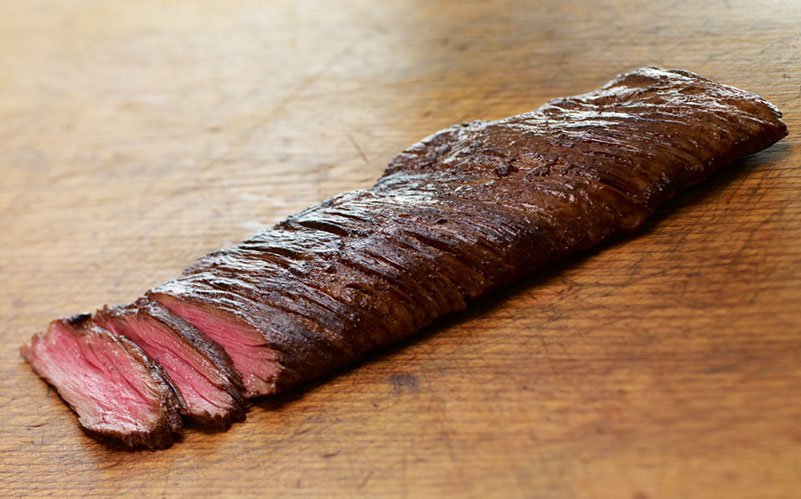
Cooked - Skirt - Sliced

Gaucho Cuisine: Wood, Fire, and Skirt Steak

Argentines are mad about beef. As a nation, they consume more beef per capita than any other populace on the face of the earth. And among all cuts of beef, skirt steak is the hands-down favorite.

Just how big is the Argentine appetite for meat? The rule of thumb for any get-together is: There is no such thing as preparing too much meat or too many varieties of it, from steaks to chops, sausages, organ meats, ribs, and poultry. In fact, when planning an asado—a term with several definitions including a round-the-clock barbecue party—typical portions are estimated at about 4 pounds per person.

Argentine passions are as particular about the type of meats being cooked as they are about the ways in which it is prepared.

Home, Home on the Pampas

The world-acclaimed beef of Argentina is largely grass-fed and raised on the open pampas, the temperate lowlands of South America. Here, on cattle drives reminiscent of the American Old West, Argentine cowboys, called gauchos, created a unique cuisine centered on the many ways to cook with wood, fire, embers, cinders, and ash.

The Argentine way of life is tied intimately to fire for a multitude of purposes, from cooking food to heating water and households. Within cooking alone, there are different types of fires, each for different type of grilling, roasting, and baking.

Seven Fires

Francis Mallman is Argentina’s most notable and cherished chef. In a sense, he is to the 7 fires of Argentine cookery what Auguste Escoffier is to the 5 Mother Sauces of French cuisine. His 2009 book, Seven Fires: Grilling the Argentine Way is a Rosetta Stone of Argentine cookery, unlocking the mysteries and complexities of one of the world’s truly great cuisines.

The fires range from the ubiquitous parilla, an oak-fired grill consisting of a rectangular cast-iron grid supported by four legs and set over an open fire, to, at the other end of the spectrum, the grand-scale asador, used to roast whole lambs, pigs, and even steer carcasses that have been butterflied and stretched across the supports of an iron cross.

Click here for Mallman narrating full descriptions of all seven fires.
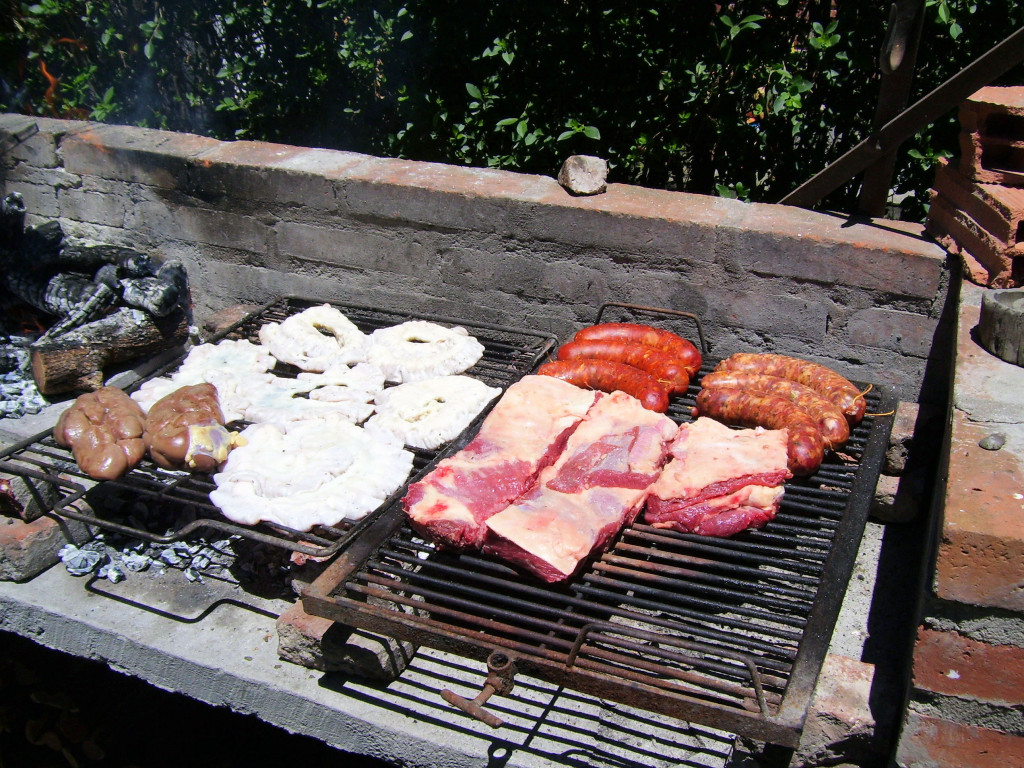
asado

Skirt Steak

Among Argentines, the most popular cut of steak is skirt, a boneless piece of beef cut from the diaphragm muscle in the plate (chest), between the brisket and flank. In Argentina, skirt steak is known by two names: churrasco, a generic term for any type of boneless meat, and more specifically, entrana.

Skirt is a thin cut with a large open grain and is often marinated when it comes from a lower quality grade. However, USDA Prime, Natural Prime, and Wagyu skirt steaks are so well-marbled and naturally tender that marinating is not necessary; in fact, it can be detrimental to the steak’s texture. Ranging in thickness from 1/2 to 3/4 inch, skirt steaks are ideal for direct high-heat grilling and they cook with lightning speed.

In Argentina, skirt steak is simply salted before it hits the heat. However, a light coating of olive or grapeseed oil and a couple twists of fresh-cracked pepper are  simple yet effective flavor boosts and aid in the formation of a caramelized crust.

Skirt steak is long and rectangular with the grain running perpendicular to its length. Consequently, when slicing a skirt, to maximize the tenderness of the bite, it is best to cut it into 5- to 6-inch sections and then slice across the grain.

Stakeout or Steak-Out

In his 2002 film, “Assassination Tango,” writer, director, and star, Robert Duvall offers a well-informed 35-second (48:40 – 50:15) homage to a churrasco sandwich purchased at a mobile street-side parilla as only a true beef lover could portray.

Duvall plays John J. Anderson, a soon-to-retire aging assassin overflowing with conflicting passions and priorities. While on assignment to hit a wealthy general, Duvall’s character comes under the tutelage of an angelic, raven-haired tango star, and, through the course of the movie, becomes a jaw-dropping dancer demonstrating moves with Astaire-like ease, grace, and fluidity. No stunt double here, that’s really Duvall gliding effortlessly across the dance floor with all the passion and aggression of a finely executed tango.

Each time Duvall takes a bite, he does the “sandwich hunch,” bending at the waist, elbows splayed, to avoid drips messing up his clothing. Duvall gives a thumbs up to the street vendor. So convincingly portrayed, you can almost taste the charred skirt steak, crusty roll, and spicy chimichurri sauce.

Going Green

Chimichurri is the national sauce of Argentina. It is a vibrantly verdant mixture of fresh parsley, oregano, garlic, vinegar, olive oil, and chile with a pesto-like consistency. Whereas salt, pepper, and ketchup are found on most restaurant tables in the U.S., a pot of chimi is ever-present on Argentine restaurants tables, instead of ketchup.
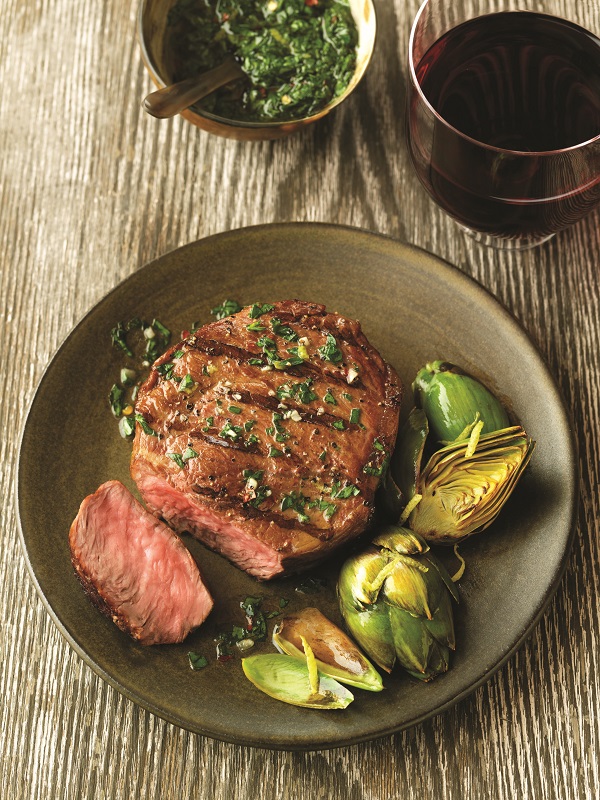
Picture 102


Have you ever eaten in an Argentine or South American restaurant? Did you order skirt steak? Have you ever grilled Argentine-style? If so, tell us about it!

Leave Your Response

* *

© Copyright 2018
Lobel's Culinary Club.
All Rights Reserved

Lobel's of New York