
Lobel's Culinary Club - Recipes, menu ideas, cooking techniques, meat selection tips, and more from America's #1 family of butchers.

Navigation

  • Categories
  • Archives
  • 175th anniversary
  • about lobel's
  • ask the butcher
  • autumn
  • bacon
  • barbecue
  • beef
  • braising
  • christmas
  • cinco de mayo
  • cooking tools
  • culinary classics
  • culinary diy
  • cut of the month
  • easter
  • entertaining
  • food history
  • food pairings
  • grilling
  • guide to meat
  • ham
  • hanukkah
  • holidays
  • lamb
  • lobel's prime meats in manhattan
  • new products
  • new year
  • passover
  • pork
  • poultry
  • recipes & techniques
  • recipes & techniques
  • roasting
  • sausage
  • seafood
  • seasons
  • smoking
  • social media
  • spring
  • stewing
  • summer
  • super sunday
  • thanksgiving
  • t-roy cooks
  • turkey
  • valentine's day
  • veal
  • videos
  • winter
  • yankee stadium
  • November 2021
  • April 2020
  • March 2020
  • February 2020
  • January 2020
  • December 2019
  • November 2019
  • October 2019
  • September 2019
  • April 2019
  • March 2019
  • September 2018
  • August 2018
  • July 2018
  • June 2018
  • May 2018
  • April 2018
  • March 2018
  • February 2018
  • January 2018
  • December 2017
  • November 2017
  • October 2017
  • September 2017
  • August 2017
  • July 2017
  • June 2017
  • May 2017
  • April 2017
  • March 2017
  • February 2017
  • January 2017
  • December 2016
  • November 2016
  • September 2016
  • August 2016
  • July 2016
  • June 2016
  • May 2016
  • April 2016
  • March 2016
  • February 2016
  • January 2016
  • November 2015
  • October 2015
  • September 2015
  • July 2015
  • June 2015
  • May 2015
  • April 2015
  • March 2015
  • February 2015
  • January 2015
  • December 2014
  • November 2014
  • October 2014
  • September 2014
  • August 2014
  • July 2014
  • June 2014
  • May 2014
  • April 2014
  • March 2014
  • February 2014
  • January 2014
  • December 2013
  • November 2013
  • October 2013
  • September 2013
  • August 2013
  • July 2013
  • June 2013
  • May 2013
  • April 2013
  • March 2013
  • February 2013
  • January 2013
  • November 2012
  • October 2012
  • September 2012
  • August 2012
  • July 2012
  • June 2012
  • May 2012
  • April 2012
  • March 2012
  • February 2012
  • January 2012
  • December 2011
  • November 2011
  • October 2011
  • September 2011
  • August 2011
  • July 2011
  • June 2011
  • May 2011
  • April 2011

Links

  • Lobels.com
  • Lobel’s Facebook
  • Lobel’s Pinterest
  • Lobel’s YouTube
  • Home
  • Welcome
  • Articles
  • Contact Us

Welcome

Welcome to the new Lobel’s Culinary Club.

In the years since we launched our Web site and online butcher shop, the Lobel’s Culinary Club has become the cornerstone of our communications with our customers old and new. Our e-mails span the latest news about products and promotions to help you plan peak dining experiences for family meals, special events, and casual entertaining.

A fundamental part of the Culinary Club content comes from our unique perspective as butchers on meat handling and preparation. And while there are many recipes to share, we want to help you go beyond specific recipes to a wider world of in-depth explorations of cooking techniques. When you understand the fundamentals, you are free to invent your own culinary masterpieces.

We believe the more you know about preparing the finest meat money can buy, the more you will enjoy serving it to your family and friends.

With the launch of our expanded Culinary Club, we’ve created a living archive of knowledge that is gleaned from past e-mails and will grow with future e-mails.

Within the Culinary Club, we hope you’ll find numerous and useful resources to enhance your confidence in preparing the finest and freshest meats available, and ensure your absolute delight with the results.

For your dining pleasure,

lobels Signature

Stanley, David, Mark, and Evan Lobel

Lobel Family at the Carving Station

Articles by Month:

  • November 2021
  • April 2020
  • March 2020
  • February 2020
  • January 2020
  • December 2019
  • November 2019
  • October 2019
  • September 2019
  • April 2019
  • March 2019
  • September 2018
  • August 2018
  • July 2018
  • June 2018
  • May 2018
  • April 2018
  • March 2018
  • February 2018
  • January 2018
  • December 2017
  • November 2017
  • October 2017
  • September 2017
  • August 2017
  • July 2017
  • June 2017
  • May 2017
  • April 2017
  • March 2017
  • February 2017
  • January 2017
  • December 2016
  • November 2016
  • September 2016
  • August 2016
  • July 2016
  • June 2016
  • May 2016
  • April 2016
  • March 2016
  • February 2016
  • January 2016
  • November 2015
  • October 2015
  • September 2015
  • July 2015
  • June 2015
  • May 2015
  • April 2015
  • March 2015
  • February 2015
  • January 2015
  • December 2014
  • November 2014
  • October 2014
  • September 2014
  • August 2014
  • July 2014
  • June 2014
  • May 2014
  • April 2014
  • March 2014
  • February 2014
  • January 2014
  • December 2013
  • November 2013
  • October 2013
  • September 2013
  • August 2013
  • July 2013
  • June 2013
  • May 2013
  • April 2013
  • March 2013
  • February 2013
  • January 2013
  • November 2012
  • October 2012
  • September 2012
  • August 2012
  • July 2012
  • June 2012
  • May 2012
  • April 2012
  • March 2012
  • February 2012
  • January 2012
  • December 2011
  • November 2011
  • October 2011
  • September 2011
  • August 2011
  • July 2011
  • June 2011
  • May 2011
  • April 2011

Articles by Subject:

  • 175th anniversary
  • about lobel's
  • ask the butcher
  • autumn
  • bacon
  • barbecue
  • beef
  • braising
  • christmas
  • cinco de mayo
  • cooking tools
  • culinary classics
  • culinary diy
  • cut of the month
  • easter
  • entertaining
  • food history
  • food pairings
  • grilling
  • guide to meat
  • ham
  • hanukkah
  • holidays
  • lamb
  • lobel's prime meats in manhattan
  • new products
  • new year
  • passover
  • pork
  • poultry
  • recipes & techniques
  • recipes & techniques
  • roasting
  • sausage
  • seafood
  • seasons
  • smoking
  • social media
  • spring
  • stewing
  • summer
  • super sunday
  • thanksgiving
  • t-roy cooks
  • turkey
  • valentine's day
  • veal
  • videos
  • winter
  • yankee stadium

Try a Little Tenderness

On April 10,2013 In beef , recipes & techniques

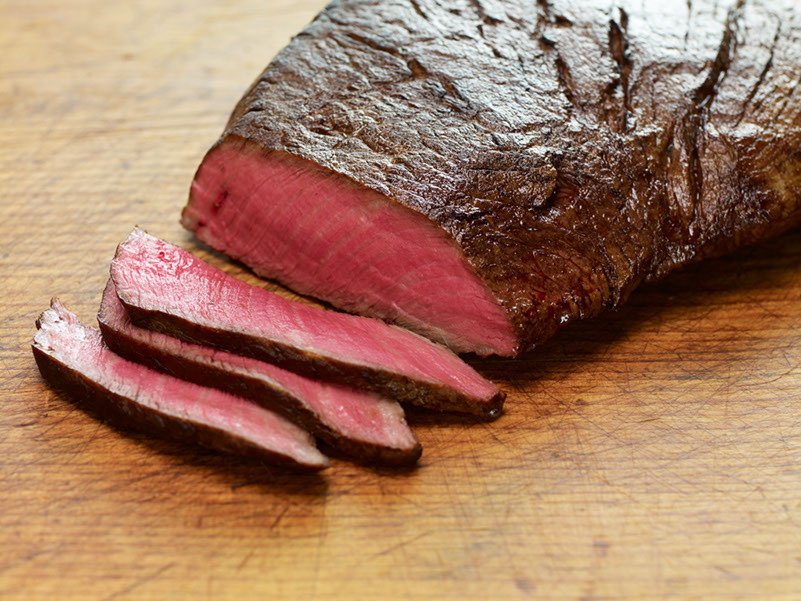
Cut slices from the same steak but in two different directions, and you would never believe they came from the same steak at all. One will be tender, soft, and easy on the bite. The other will be chewier and, generally, a less than optimum eating experience by comparison. Even the very best USDA Prime, dry-aged beef available, such as that from Lobel’s of New York, benefits from your knowing how to cut a steak to maximize its tenderness. In turn, your impressions of flavor and juiciness are enhanced when all three elements are in balance.

Cutting across the grain of muscle fibers within the beef is the simple technique that ensures every bite is as tender as the next.
_2431013512

Long Fibers or Short Bundles

One way to understand just why this is so, is to take a close look at how a muscle is laid out. A muscle is similar to an electrical cord in that it is composed of long, individual wires that run in parallel. A muscle with fibers running in parallel is called a striated muscle. The striations within a beef muscle are the telltale signs of which direction its grain, or graining, is running.

If you cut in the same direction the striations run, you would be cutting pieces into long sections of a few fibers. Breaking the fibers down through chewing is a tougher task. The long fibers put up resistance to being pulverized between your teeth.

To make things easier, cut across the grain—that is, cut perpendicular to the direction of the grain. This technique, by contrast, cuts the muscle fibers into short bundles of many fibers that are then easily broken down by gentle chewing.

In some cases, such as with flank, skirt, or hanger steak, the muscle fibers are thick and manifest the grain much more clearly. In cuts such as filet or strip (shell), the grain is much finer and may be a bit harder to identify.

So if you are ever in doubt about which way the grain is running, press gently on the meat to see how it begins to separate. The direction of the grain will become clear.

Which Way is Which?

There are a couple of tricky cuts that take a special touch.

Skirt steak has a grain that runs perpendicular to its length. In this case, cut the skirt lengthwise into section 4-5 inches long. Then you will be able to cut each section against the grain into slices 1/3 to 1/2 inch thick.

With a whole brisket, you have two different pieces of meat with the grains running in different directions. A packer’s cut brisket, which competitive BBQ teams prefer, is essentially untrimmed. It consists of 4 layers (from the top down): the fat cap; a layer of beef, called the point; another layer of fat; then a large layer of beef, called the flat.

The grain of the point, or second cut, runs almost perpendicular to the grain of the flat, or first cut. So, after your brisket is finished cooking, place it on a cutting surface and remove the fat cap. Then, separate the point from the middle layer of fat, which gets removed next. Now you have the point and the flat in separate pieces which makes cutting against the grain of each much easier to do.

 

Leave Your Response

* *

© Copyright 2018
Lobel's Culinary Club.
All Rights Reserved

Lobel's of New York