
Lobel's Culinary Club - Recipes, menu ideas, cooking techniques, meat selection tips, and more from America's #1 family of butchers.

Navigation

  • Categories
  • Archives
  • 175th anniversary
  • about lobel's
  • ask the butcher
  • autumn
  • bacon
  • barbecue
  • beef
  • braising
  • christmas
  • cinco de mayo
  • cooking tools
  • culinary classics
  • culinary diy
  • cut of the month
  • easter
  • entertaining
  • food history
  • food pairings
  • grilling
  • guide to meat
  • ham
  • hanukkah
  • holidays
  • lamb
  • lobel's prime meats in manhattan
  • new products
  • new year
  • passover
  • pork
  • poultry
  • recipes & techniques
  • recipes & techniques
  • roasting
  • sausage
  • seafood
  • seasons
  • smoking
  • social media
  • spring
  • stewing
  • summer
  • super sunday
  • thanksgiving
  • t-roy cooks
  • turkey
  • valentine's day
  • veal
  • videos
  • winter
  • yankee stadium
  • November 2021
  • April 2020
  • March 2020
  • February 2020
  • January 2020
  • December 2019
  • November 2019
  • October 2019
  • September 2019
  • April 2019
  • March 2019
  • September 2018
  • August 2018
  • July 2018
  • June 2018
  • May 2018
  • April 2018
  • March 2018
  • February 2018
  • January 2018
  • December 2017
  • November 2017
  • October 2017
  • September 2017
  • August 2017
  • July 2017
  • June 2017
  • May 2017
  • April 2017
  • March 2017
  • February 2017
  • January 2017
  • December 2016
  • November 2016
  • September 2016
  • August 2016
  • July 2016
  • June 2016
  • May 2016
  • April 2016
  • March 2016
  • February 2016
  • January 2016
  • November 2015
  • October 2015
  • September 2015
  • July 2015
  • June 2015
  • May 2015
  • April 2015
  • March 2015
  • February 2015
  • January 2015
  • December 2014
  • November 2014
  • October 2014
  • September 2014
  • August 2014
  • July 2014
  • June 2014
  • May 2014
  • April 2014
  • March 2014
  • February 2014
  • January 2014
  • December 2013
  • November 2013
  • October 2013
  • September 2013
  • August 2013
  • July 2013
  • June 2013
  • May 2013
  • April 2013
  • March 2013
  • February 2013
  • January 2013
  • November 2012
  • October 2012
  • September 2012
  • August 2012
  • July 2012
  • June 2012
  • May 2012
  • April 2012
  • March 2012
  • February 2012
  • January 2012
  • December 2011
  • November 2011
  • October 2011
  • September 2011
  • August 2011
  • July 2011
  • June 2011
  • May 2011
  • April 2011

Links

  • Lobels.com
  • Lobel’s Facebook
  • Lobel’s Pinterest
  • Lobel’s YouTube
  • Home
  • Welcome
  • Articles
  • Contact Us

Welcome

Welcome to the new Lobel’s Culinary Club.

In the years since we launched our Web site and online butcher shop, the Lobel’s Culinary Club has become the cornerstone of our communications with our customers old and new. Our e-mails span the latest news about products and promotions to help you plan peak dining experiences for family meals, special events, and casual entertaining.

A fundamental part of the Culinary Club content comes from our unique perspective as butchers on meat handling and preparation. And while there are many recipes to share, we want to help you go beyond specific recipes to a wider world of in-depth explorations of cooking techniques. When you understand the fundamentals, you are free to invent your own culinary masterpieces.

We believe the more you know about preparing the finest meat money can buy, the more you will enjoy serving it to your family and friends.

With the launch of our expanded Culinary Club, we’ve created a living archive of knowledge that is gleaned from past e-mails and will grow with future e-mails.

Within the Culinary Club, we hope you’ll find numerous and useful resources to enhance your confidence in preparing the finest and freshest meats available, and ensure your absolute delight with the results.

For your dining pleasure,

lobels Signature

Stanley, David, Mark, and Evan Lobel

Lobel Family at the Carving Station

Articles by Month:

  • November 2021
  • April 2020
  • March 2020
  • February 2020
  • January 2020
  • December 2019
  • November 2019
  • October 2019
  • September 2019
  • April 2019
  • March 2019
  • September 2018
  • August 2018
  • July 2018
  • June 2018
  • May 2018
  • April 2018
  • March 2018
  • February 2018
  • January 2018
  • December 2017
  • November 2017
  • October 2017
  • September 2017
  • August 2017
  • July 2017
  • June 2017
  • May 2017
  • April 2017
  • March 2017
  • February 2017
  • January 2017
  • December 2016
  • November 2016
  • September 2016
  • August 2016
  • July 2016
  • June 2016
  • May 2016
  • April 2016
  • March 2016
  • February 2016
  • January 2016
  • November 2015
  • October 2015
  • September 2015
  • July 2015
  • June 2015
  • May 2015
  • April 2015
  • March 2015
  • February 2015
  • January 2015
  • December 2014
  • November 2014
  • October 2014
  • September 2014
  • August 2014
  • July 2014
  • June 2014
  • May 2014
  • April 2014
  • March 2014
  • February 2014
  • January 2014
  • December 2013
  • November 2013
  • October 2013
  • September 2013
  • August 2013
  • July 2013
  • June 2013
  • May 2013
  • April 2013
  • March 2013
  • February 2013
  • January 2013
  • November 2012
  • October 2012
  • September 2012
  • August 2012
  • July 2012
  • June 2012
  • May 2012
  • April 2012
  • March 2012
  • February 2012
  • January 2012
  • December 2011
  • November 2011
  • October 2011
  • September 2011
  • August 2011
  • July 2011
  • June 2011
  • May 2011
  • April 2011

Articles by Subject:

  • 175th anniversary
  • about lobel's
  • ask the butcher
  • autumn
  • bacon
  • barbecue
  • beef
  • braising
  • christmas
  • cinco de mayo
  • cooking tools
  • culinary classics
  • culinary diy
  • cut of the month
  • easter
  • entertaining
  • food history
  • food pairings
  • grilling
  • guide to meat
  • ham
  • hanukkah
  • holidays
  • lamb
  • lobel's prime meats in manhattan
  • new products
  • new year
  • passover
  • pork
  • poultry
  • recipes & techniques
  • recipes & techniques
  • roasting
  • sausage
  • seafood
  • seasons
  • smoking
  • social media
  • spring
  • stewing
  • summer
  • super sunday
  • thanksgiving
  • t-roy cooks
  • turkey
  • valentine's day
  • veal
  • videos
  • winter
  • yankee stadium

Spotlight on Balsamic Vinegar

On September 9,2013 In vinegar , food history , recipes & techniques

Balsamic vinegar is one of those condiments that we consider a must-have in any home chef’s pantry. But not just any old bottle from the supermarket will do. It must be a true balsamic. What constitutes a true balsamic? Read on to find out.

And once you learn more and refine your taste for balsamic vinegar, you’ll likely find that you want to have several in your pantry for different uses.
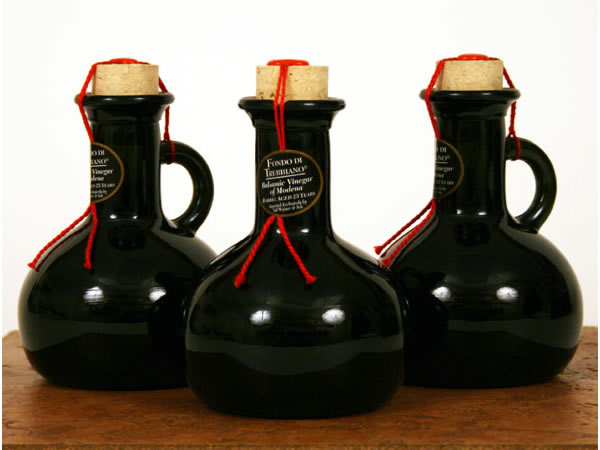
Balsamic Vinegar

What is True Balsamic Vinegar?

In the same way that true Kobe beef comes from the Kobe prefecture of Japan, as real Champagne comes from the Champagne region of France, so too genuine Balsamic vinegar comes from Modena, Italy, where it has been produced for more than 600 years.

According to Larousse Gastronomique:

“Authentic balsamic vinegar is made from selected grapes, reduced to a must and concentrated, then fermented for a year. This is the comparatively quick part of the process–the technique that makes balsamic vinegar so special is the long maturing in wooden casks for at least 10 years. The vinegar is … transferred from one cask to another, each carefully selected for the wood and the flavour it imparts. During the maturing, the vinegar evaporates during the warm summers and rests in the cool winters, to become rich, full-bodied and mellow.”

The finest balsamics are aged for at least 25 years in a succession of wooden barrels of different woods, including juniper, oak, cherry, chestnut, ash, and others. The barrels are successively smaller and smaller as the vinegar ages, due to the evaporation over time.

Along the way, as the vinegar evaporates, its flavors become more concentrated and complex.

At current price estimates, 25-year-old balsamic vinegar costs $200 or more for 3.4 fluid ounces. The rarest balsamics—aged 150 years or more—command upwards of $500 for a 3.4-fluid-ounce bottle.

Today, however, you can also buy a 16-ounce bottle of balsamic vinegar in just about any grocery store and pay less than $5. Again, according to Larousse Gastronomique, these vinegars are “not led lovingly through this process of transformation. it is particularly important to check information on inexpensive bottles to ensure that they do, at least, contain matured vinegar. Some mixtures sold as balsamic-style vinegar are no more than ordinary wine vinegar with flavouring and colouring ingredients added.”

As you can see, there’s a big difference between the real stuff and the mass-marketed variety.

Uses for Balsamic Vinegar

Of course, you can use a balsamic vinegar to drizzle over a cooked steak to add that delicious finishing touch. But there are a number of other ways that you can use balsamics in the kitchen.

Creating a Balsamic Vinaigrette

Any great salad needs a great dressing. And if you know the simple technique for making vinaigrette, you’ll have a world of flavors as your palette. Vinaigrette is one of those master recipes that every cook should and can easily master. It is endlessly variable—pair it with precision, go with your whim or whatever’s available in your pantry.

Here’s the basic balsamic vinaigrette formula:

  • 3 parts oil (or 2 parts, or even 1 if you want a lighter style)
  • 1 part balsamic vinegar
  • Salt
  • Pepper
  • Fresh or dried herbs or spices (optional)
  • Shallots, onions, scallions, chives, etc. (optional)
  • Pinch of white or brown sugar (optional)

Experiment with any or all of the basic components—vary one or more of the basic ingredients and you’ll have a completely different flavor profile.

Glazes for Meat

Create a reduction of balsamic vinegar to use as a glaze on any meat that pairs well with fruit, such as pork and poultry.

To create the glaze, bring your balsamic to a boil, then reduce to a simmer until the volume of the vinegar is reduced by about half. The glaze is ready when it coats the back of a spoon.

You can also try this recipe for a Cranberry Balsamic Glaze that goes great with pork, poultry, or game.

Topping Desserts

A well aged balsamic vinegar boasts a thick, syrupy consistency and a flavor reminiscent of raisins, but with a tinge of acid so it’s not cloyingly sweet. This complex balance of flavors makes a well aged balsamic the perfect topping for numerous desserts.

Try it drizzled atop a premium vanilla bean ice cream, vanilla frozen custard, or fruity ice cream, such as strawberry, blueberry, or rum raisin. Even better, drizzle it over apple pie à la mode. Get creative and try it on crème brûlée, grilled strawberries, or fruit tarts.


What is your favorite use for balsamic vinegar? Have you ever had a 50-year-old or older balsamic vinegar? If you had one, what would you use it for?

Leave Your Response

* *

© Copyright 2018
Lobel's Culinary Club.
All Rights Reserved

Lobel's of New York