
Lobel's Culinary Club - Recipes, menu ideas, cooking techniques, meat selection tips, and more from America's #1 family of butchers.

Navigation

  • Categories
  • Archives
  • 175th anniversary
  • about lobel's
  • ask the butcher
  • autumn
  • bacon
  • barbecue
  • beef
  • braising
  • christmas
  • cinco de mayo
  • cooking tools
  • culinary classics
  • culinary diy
  • cut of the month
  • easter
  • entertaining
  • food history
  • food pairings
  • grilling
  • guide to meat
  • ham
  • hanukkah
  • holidays
  • lamb
  • lobel's prime meats in manhattan
  • new products
  • new year
  • passover
  • pork
  • poultry
  • recipes & techniques
  • recipes & techniques
  • roasting
  • sausage
  • seafood
  • seasons
  • smoking
  • social media
  • spring
  • stewing
  • summer
  • super sunday
  • thanksgiving
  • t-roy cooks
  • turkey
  • valentine's day
  • veal
  • videos
  • winter
  • yankee stadium
  • November 2021
  • April 2020
  • March 2020
  • February 2020
  • January 2020
  • December 2019
  • November 2019
  • October 2019
  • September 2019
  • April 2019
  • March 2019
  • September 2018
  • August 2018
  • July 2018
  • June 2018
  • May 2018
  • April 2018
  • March 2018
  • February 2018
  • January 2018
  • December 2017
  • November 2017
  • October 2017
  • September 2017
  • August 2017
  • July 2017
  • June 2017
  • May 2017
  • April 2017
  • March 2017
  • February 2017
  • January 2017
  • December 2016
  • November 2016
  • September 2016
  • August 2016
  • July 2016
  • June 2016
  • May 2016
  • April 2016
  • March 2016
  • February 2016
  • January 2016
  • November 2015
  • October 2015
  • September 2015
  • July 2015
  • June 2015
  • May 2015
  • April 2015
  • March 2015
  • February 2015
  • January 2015
  • December 2014
  • November 2014
  • October 2014
  • September 2014
  • August 2014
  • July 2014
  • June 2014
  • May 2014
  • April 2014
  • March 2014
  • February 2014
  • January 2014
  • December 2013
  • November 2013
  • October 2013
  • September 2013
  • August 2013
  • July 2013
  • June 2013
  • May 2013
  • April 2013
  • March 2013
  • February 2013
  • January 2013
  • November 2012
  • October 2012
  • September 2012
  • August 2012
  • July 2012
  • June 2012
  • May 2012
  • April 2012
  • March 2012
  • February 2012
  • January 2012
  • December 2011
  • November 2011
  • October 2011
  • September 2011
  • August 2011
  • July 2011
  • June 2011
  • May 2011
  • April 2011

Links

  • Lobels.com
  • Lobel’s Facebook
  • Lobel’s Pinterest
  • Lobel’s YouTube
  • Home
  • Welcome
  • Articles
  • Contact Us

Welcome

Welcome to the new Lobel’s Culinary Club.

In the years since we launched our Web site and online butcher shop, the Lobel’s Culinary Club has become the cornerstone of our communications with our customers old and new. Our e-mails span the latest news about products and promotions to help you plan peak dining experiences for family meals, special events, and casual entertaining.

A fundamental part of the Culinary Club content comes from our unique perspective as butchers on meat handling and preparation. And while there are many recipes to share, we want to help you go beyond specific recipes to a wider world of in-depth explorations of cooking techniques. When you understand the fundamentals, you are free to invent your own culinary masterpieces.

We believe the more you know about preparing the finest meat money can buy, the more you will enjoy serving it to your family and friends.

With the launch of our expanded Culinary Club, we’ve created a living archive of knowledge that is gleaned from past e-mails and will grow with future e-mails.

Within the Culinary Club, we hope you’ll find numerous and useful resources to enhance your confidence in preparing the finest and freshest meats available, and ensure your absolute delight with the results.

For your dining pleasure,

lobels Signature

Stanley, David, Mark, and Evan Lobel

Lobel Family at the Carving Station

Articles by Month:

  • November 2021
  • April 2020
  • March 2020
  • February 2020
  • January 2020
  • December 2019
  • November 2019
  • October 2019
  • September 2019
  • April 2019
  • March 2019
  • September 2018
  • August 2018
  • July 2018
  • June 2018
  • May 2018
  • April 2018
  • March 2018
  • February 2018
  • January 2018
  • December 2017
  • November 2017
  • October 2017
  • September 2017
  • August 2017
  • July 2017
  • June 2017
  • May 2017
  • April 2017
  • March 2017
  • February 2017
  • January 2017
  • December 2016
  • November 2016
  • September 2016
  • August 2016
  • July 2016
  • June 2016
  • May 2016
  • April 2016
  • March 2016
  • February 2016
  • January 2016
  • November 2015
  • October 2015
  • September 2015
  • July 2015
  • June 2015
  • May 2015
  • April 2015
  • March 2015
  • February 2015
  • January 2015
  • December 2014
  • November 2014
  • October 2014
  • September 2014
  • August 2014
  • July 2014
  • June 2014
  • May 2014
  • April 2014
  • March 2014
  • February 2014
  • January 2014
  • December 2013
  • November 2013
  • October 2013
  • September 2013
  • August 2013
  • July 2013
  • June 2013
  • May 2013
  • April 2013
  • March 2013
  • February 2013
  • January 2013
  • November 2012
  • October 2012
  • September 2012
  • August 2012
  • July 2012
  • June 2012
  • May 2012
  • April 2012
  • March 2012
  • February 2012
  • January 2012
  • December 2011
  • November 2011
  • October 2011
  • September 2011
  • August 2011
  • July 2011
  • June 2011
  • May 2011
  • April 2011

Articles by Subject:

  • 175th anniversary
  • about lobel's
  • ask the butcher
  • autumn
  • bacon
  • barbecue
  • beef
  • braising
  • christmas
  • cinco de mayo
  • cooking tools
  • culinary classics
  • culinary diy
  • cut of the month
  • easter
  • entertaining
  • food history
  • food pairings
  • grilling
  • guide to meat
  • ham
  • hanukkah
  • holidays
  • lamb
  • lobel's prime meats in manhattan
  • new products
  • new year
  • passover
  • pork
  • poultry
  • recipes & techniques
  • recipes & techniques
  • roasting
  • sausage
  • seafood
  • seasons
  • smoking
  • social media
  • spring
  • stewing
  • summer
  • super sunday
  • thanksgiving
  • t-roy cooks
  • turkey
  • valentine's day
  • veal
  • videos
  • winter
  • yankee stadium

Smoking Meats 101

On August 14,2011 In barbecue , recipes & techniques , smoking

Low and slow. The very words make mouths water. Nothing caps off a lazy summer day more perfectly than a meal of sumptuous proportions from your smoker.

And nothing stokes a smoke master’s ego more than some positive comments about his or her smoke ring. That’s the true test—the visible evidence of the smoke’s penetration. The deeper the smoke ring, the more masterful the man or woman at the helm.

If you think nothing tastes better than food cooked with wood, flame, and smoke, you will discover a whole new world of enjoyment and possibilities when you add smoking to your arsenal of cooking techniques.
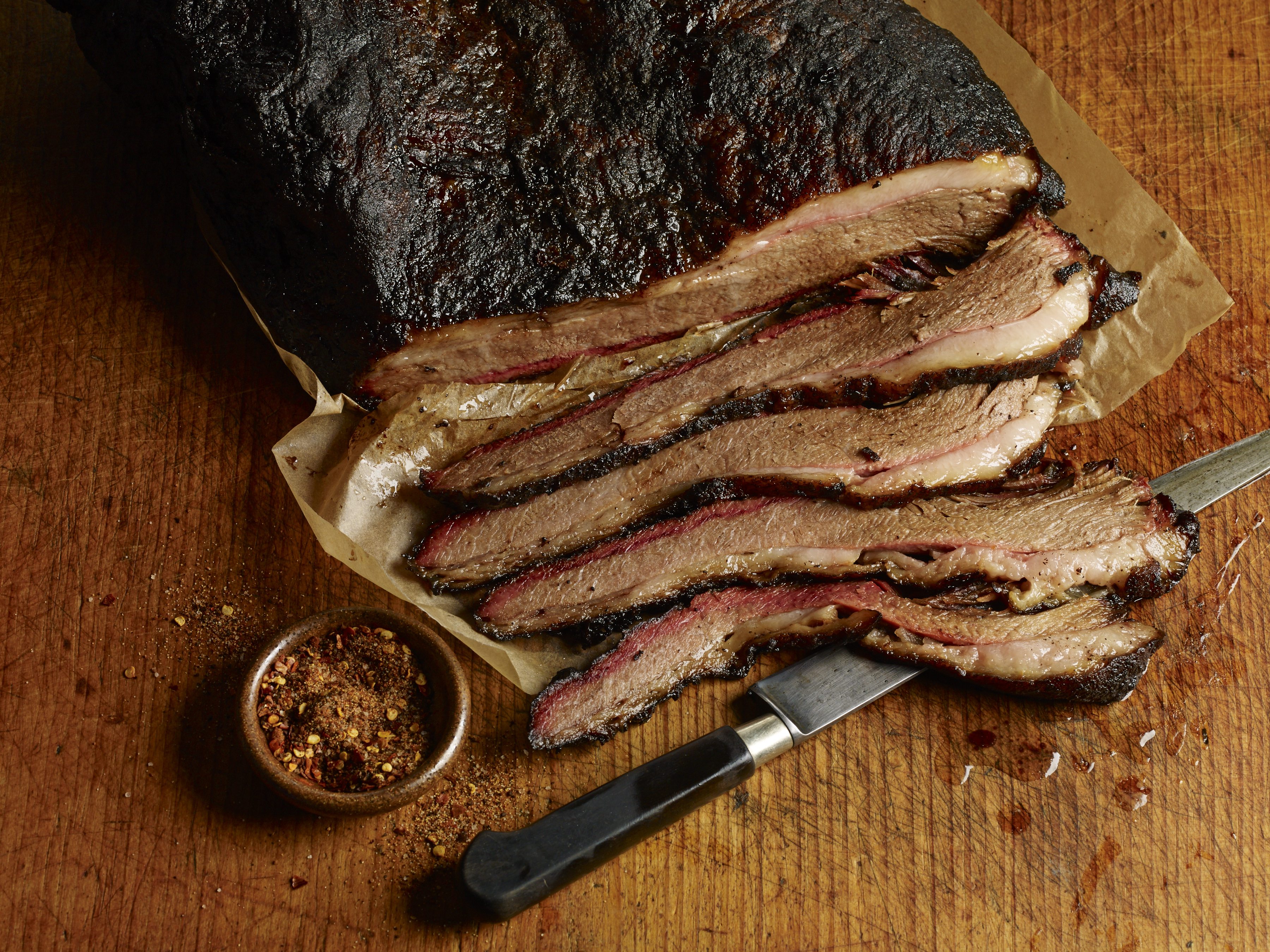
Beef Brisket with Dry Rub

If you are new to this form of cooking and don’t yet have a smoker, try adapting your grill for items that require relatively short smoking times—1 to 4 hours for sausages, pork ribs, or chicken pieces, for example.

Then once you’re comfortable, jump into the deep end—buy a smoker, get serious, and graduate yourself to briskets, pork butts, and rib roasts. These items will test your abilities to control the heat and smoke with long hours of cooking—6 to 14 hours or more.

Here are some of our frequently asked questions about smoking.

What equipment do I need?
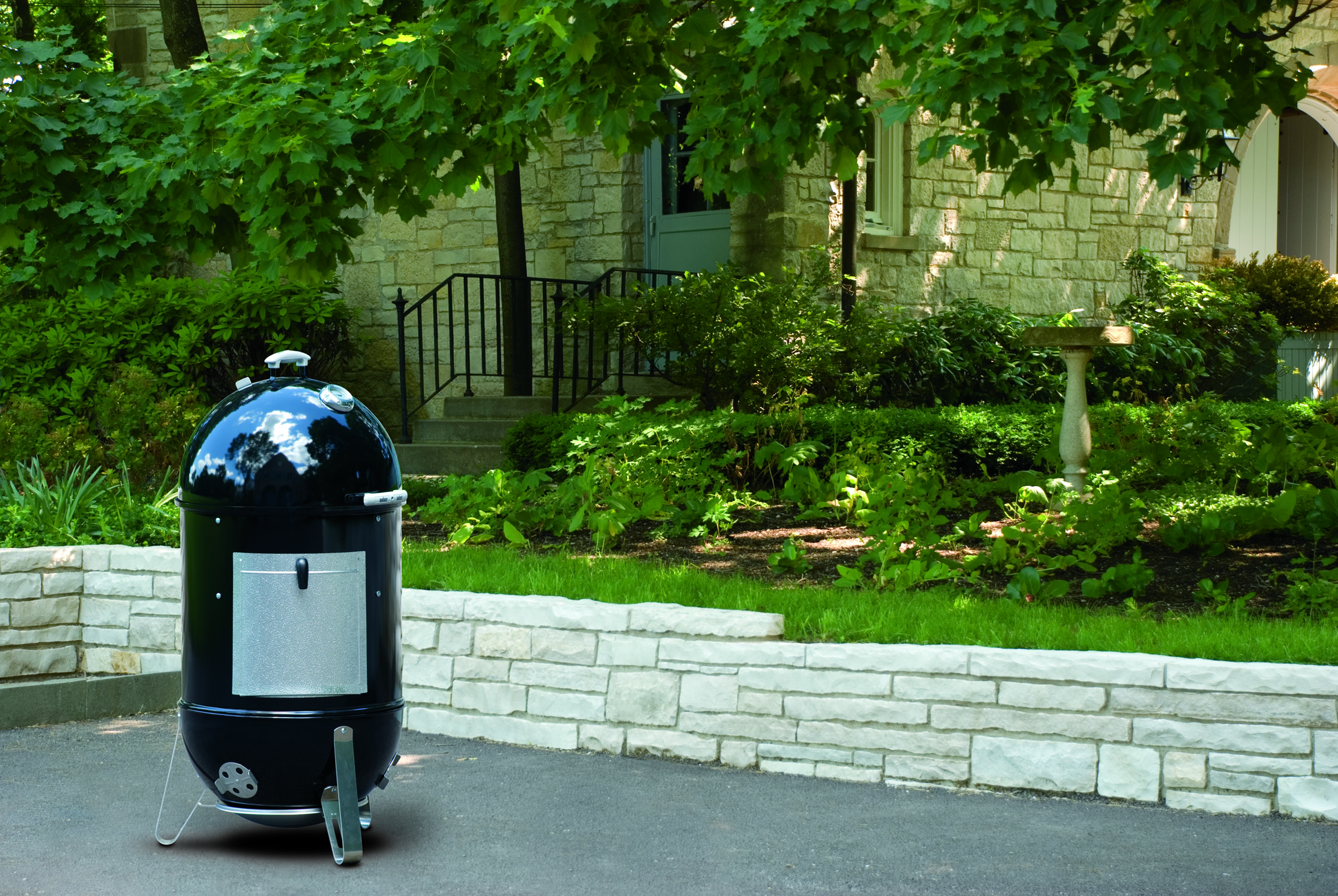
With a wide price range and variety of smokers available, choosing a smoker is a matter of style, capacity, and budget.

Vertical, Water, or Bullet Smokers

This type is constructed in layers—a heat pan on the bottom, a water pan in the middle, and one or two grill grids in the next higher layers. A medium-sized bullet smoker can handle up to 50 pounds of food at a time and can cost as little as $30.

Vertical smokers, however, must be tended carefully because most models lack ventilation openings. There is only a small door for loading fuel and the lid. Learning to create updrafts in this type of smoker takes practice. Vertical smoking, though, has the hidden benefit that the layers of food baste each other from the top down. However, rotating the grids every so often from bottom to top is a good idea, although it’s rather cumbersome.

Brinkmann, Weber (probably the best air-circulation controls), and Charbroil offer the widest selection of vertical wood/charcoal and electric smokers. Brinkmann offers a great trade-off in the wood vs. electric debate by offering an electric heat coil to convert a wood-burning bullet on the fly.

Horizontal Smokers

This type consists of a side firebox and a separate smoking chamber, and it’s the type most often used by championship BBQ teams.

The main cost factor is the thickness of the steel used—the thicker the steel, the longer it will retain heat, the more easily the temperature is regulated, and the more efficiently it will cook. The side firebox makes it easier to add fuel and manage the heat and smoke. The firebox can also be used as a grill for direct cooking.

Expect to pay at least $150 or up to $1,500 or $2,000 for a top-of-the-line, heavy-duty smoker designed for home use. But just as some people buy restaurant-quality ovens and kitchenware, serious BBQ-ers buy competition-worthy smokers—and in that case, the sky’s the limit!

Combination Smokers

There are also combination smokers—a side firebox and a vertical smoking chamber, or a side firebox with horizontal and vertical smoking chambers.

Carey Bringle, our friend and team captain of the Peg Leg Porker BBQ team, uses both horizontal and combination smokers. His combination smoker consists of a side firebox and a double-wide, side-by-side commercial refrigerator that he had custom-retrofitted to become a wood-fired, electronically heat-controlled smoker.

Brinkman and New Braunfels are probably the most widely available and span the consumer and commercial markets with models to meet the needs of both. Try your favorite search engine and you should find a wealth of resources, from mass-marketed brands to hand-crafted smokers (especially from companies in Texas).

What type of cooking fuel should I use?

Wood/Charcoal
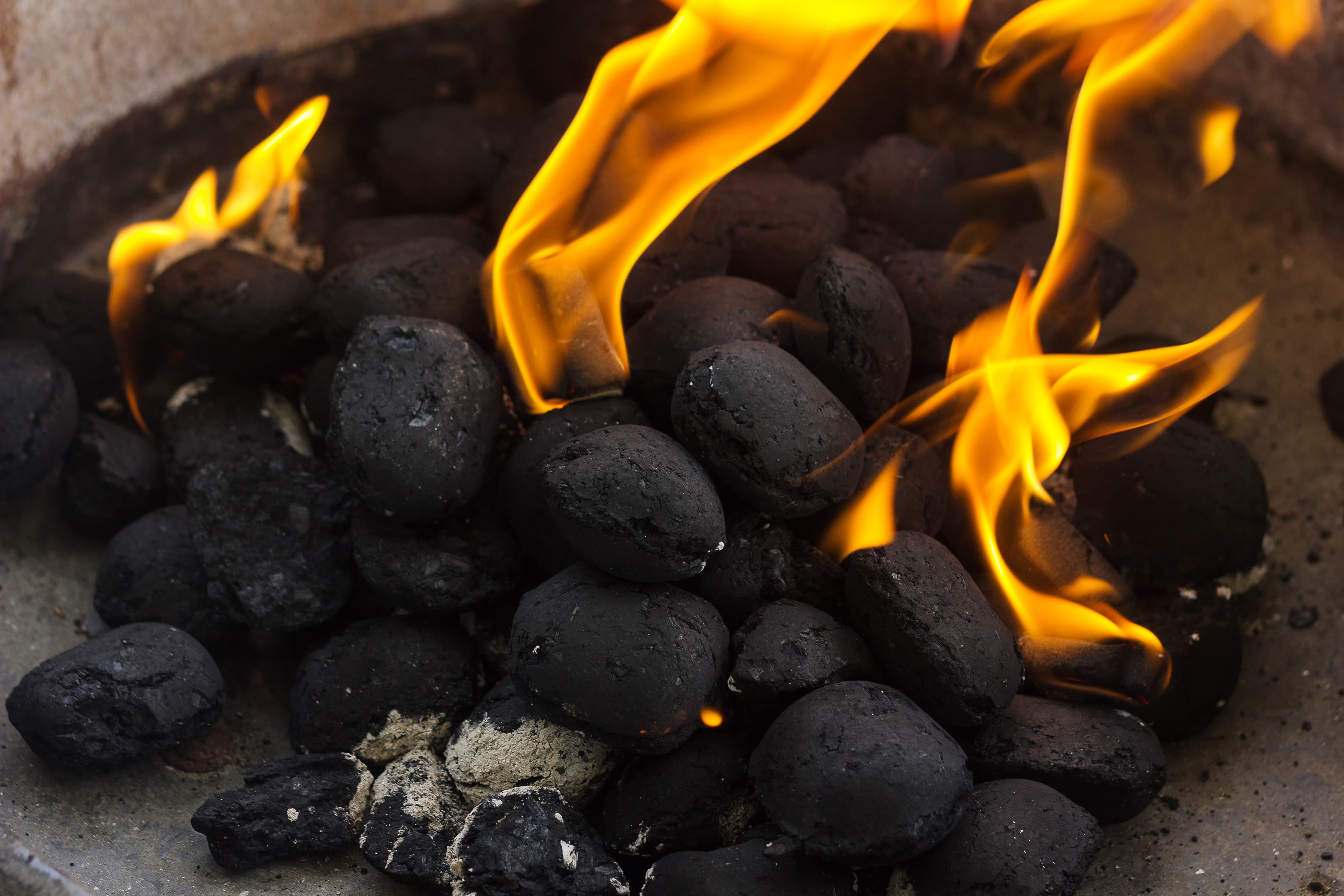
Hardcore BBQ-ers wouldn’t choose anything else, but it’s also the high maintenance method. It takes time to know your smoker and how best to maximize its efficiency.

Electric or Gas

Only requires chips, pellets, or saw dust for smoking. The heat source is constant and temperature is most accurately regulated.

How do I choose a wood for smoking?
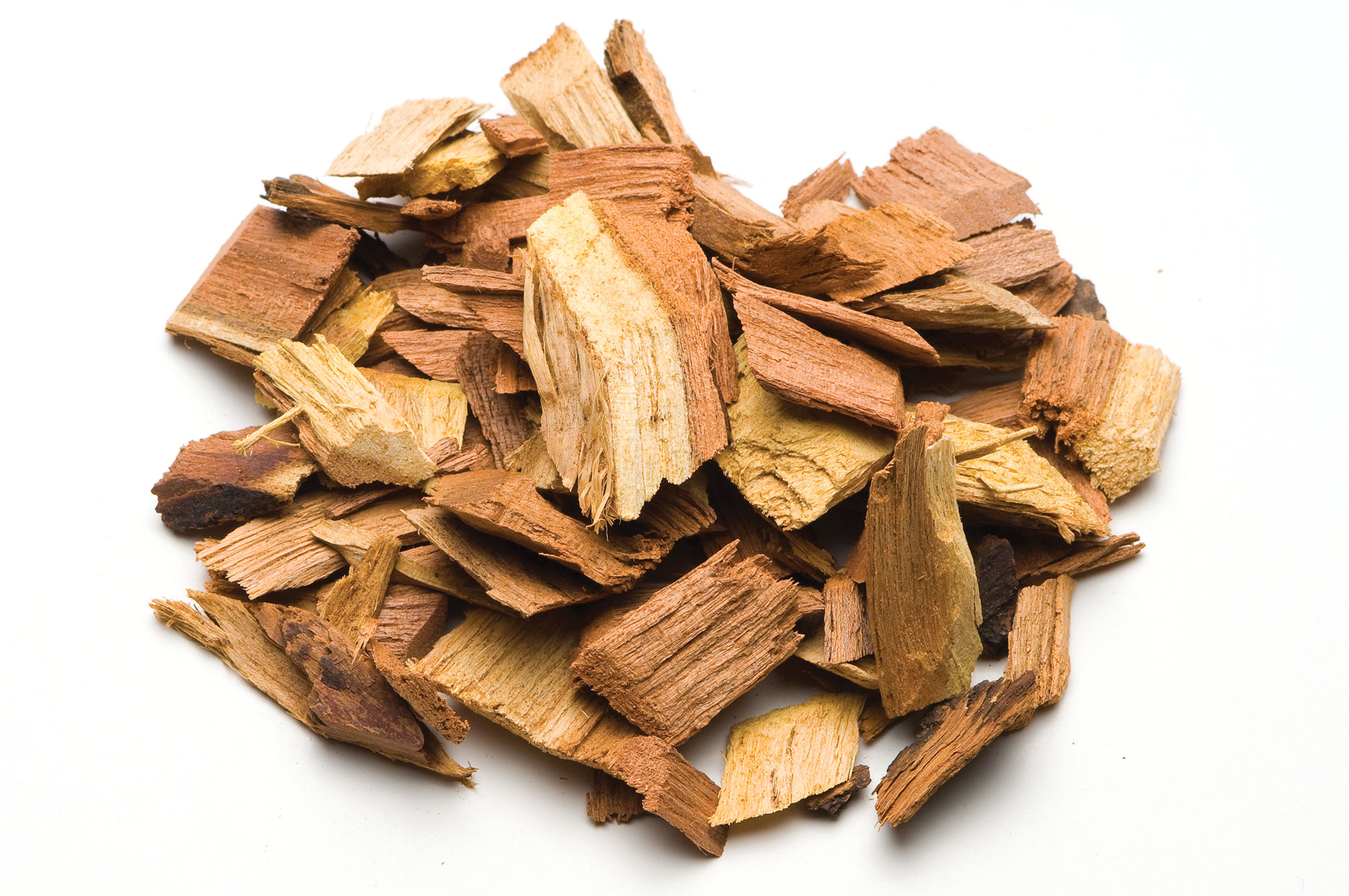
Combine a robust wood smoke with a sweet top note of a fruit wood or fresh herb—mesquite and apple; hickory and maple; pecan and apple or any fruit wood; oak and cherry or fresh rosemary; or alder and fresh dill.

Wood Selection Tip: Check out BarbecueWood.com for a great source of smoking fuels.

What if I don’t want to buy a smoker?

The fact of the matter is that meat takes on most of the smoke during the first 3 to 4 hours. After that it’s mostly a matter of cooking low-and-slow until the meat is done.

In lieu of an actual smoker, you can adapt a Weber kettle as a stand-in smoker. That way, you can smoke the meat for the first 3 to 4 hours, then finish it in a roasting pan in your oven and still have a good smoky flavor.

Build the fire on one side of the kettle. On the other side, put a foil drip pan in the bottom. Place the meat on the grill grid over the drip pan. Soak apple and mesquite chips in water for at least 30 minutes before using them. Distribute 3/4 to 1 cup of chips on the hot coals every 15 to 30 minutes, or as you see the smoke begin to thin out. Or get a smoking box for this purpose—a metal box that holds wood chips for smoking and can be found in most stores that sell grill accessories.

When transferring to the oven, double-wrap the brisket in foil (that is: make a crisscross of two pieces of foil large enough to cover the entire brisket. Place the brisket in the middle of the crisscross and fold in the sides—tight at the bottom, loose at the top. This way you can continue to mop the brisket as it cooks, about once every 25 to 30 minutes for a whole brisket or 15 to 20 minutes for a 1st-cut brisket. With the double-wrapped foil, you should be able to capture most of the mop sauce and cooking juices that accumulate in the bottom, which can be the basis of a highly flavorful BBQ dipping sauce.

If you are smoking the brisket over mesquite and apple wood or finishing it in the oven (at 200° to 225°F), you should allow about 1 hour of cooking time per pound of brisket. An internal temperature of 190° to 195°F will get you the fall-apart, juicy texture everyone will marvel at.

Looking for different regional styles of barbecue, check out our article on southern BBQ styles.

Leave Your Response

* *

© Copyright 2018
Lobel's Culinary Club.
All Rights Reserved

Lobel's of New York